
What enterprise AI actually costs after the pilot
Model inference, data preparation and human review sit on different budget lines; retries and oversized context windows add variable cost.
Browse technology articles by archive date. About the archive.
Model inference, data preparation and human review sit on different budget lines; retries and oversized context windows add variable cost.
Industry-specific tools combine specialised records, vocabulary and workflows that would otherwise require several general applications.
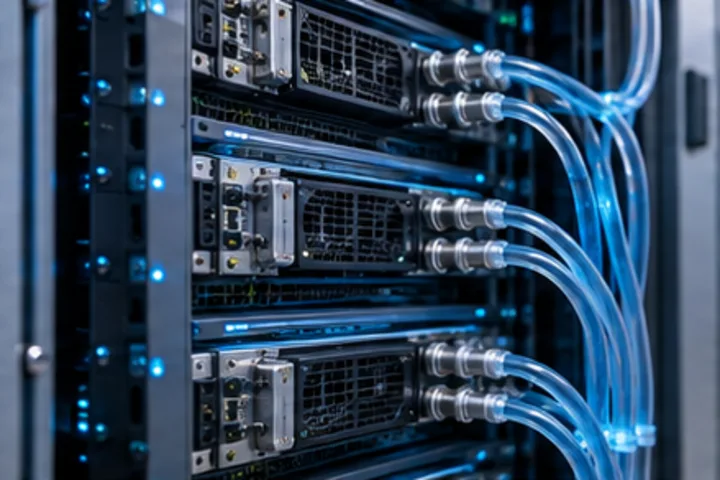
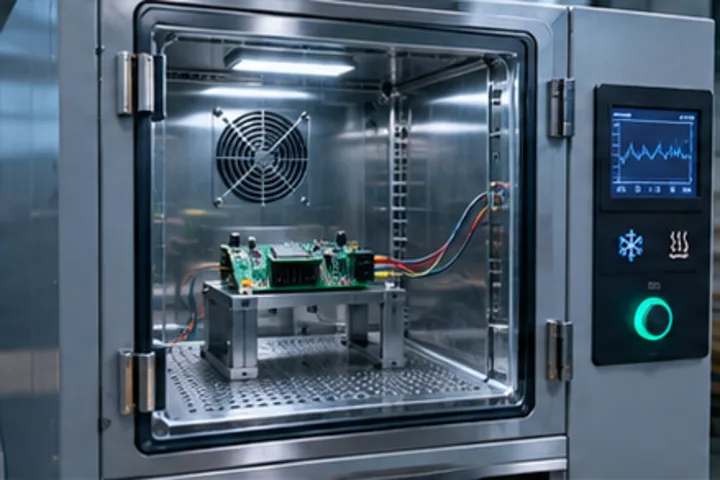
Electronics convert electrical energy into heat that must be removed through air movement or liquid-based systems.
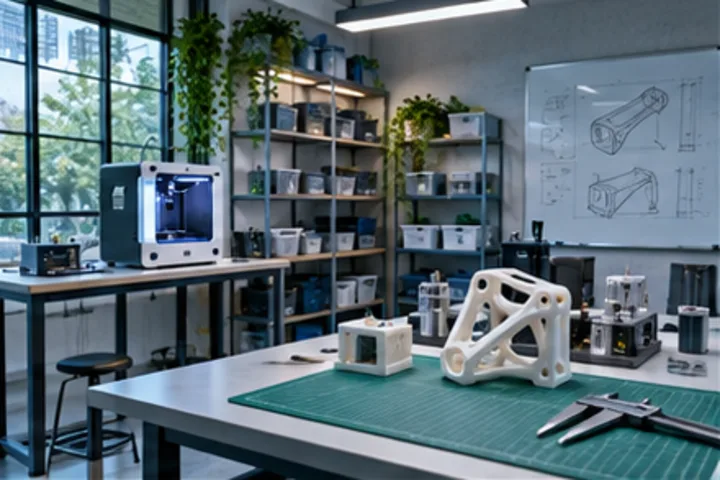
A technical demonstration proves a principle, while product development has to establish reliable manufacturing, documentation and customer integration.
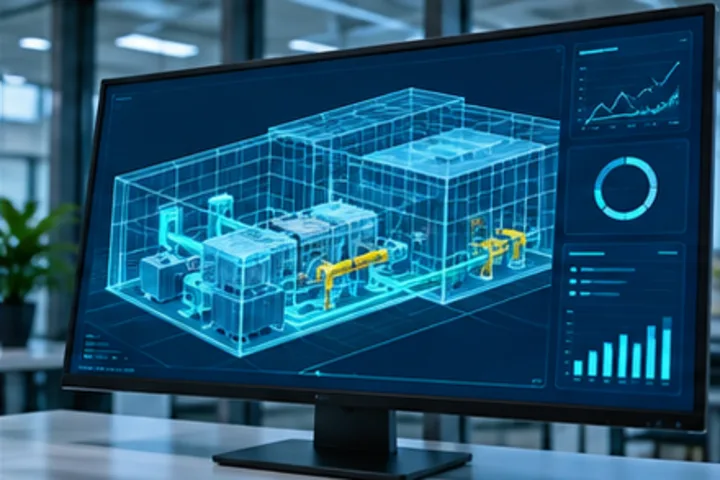
A digital model combines physical properties and operational data to represent selected aspects of a real system.
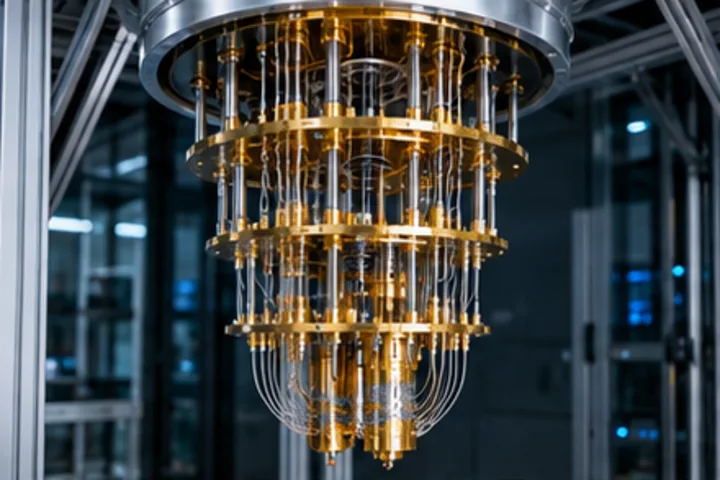
Quantum processors manipulate qubits through controlled operations and measurements, targeting problems with structures suitable for quantum algorithms.
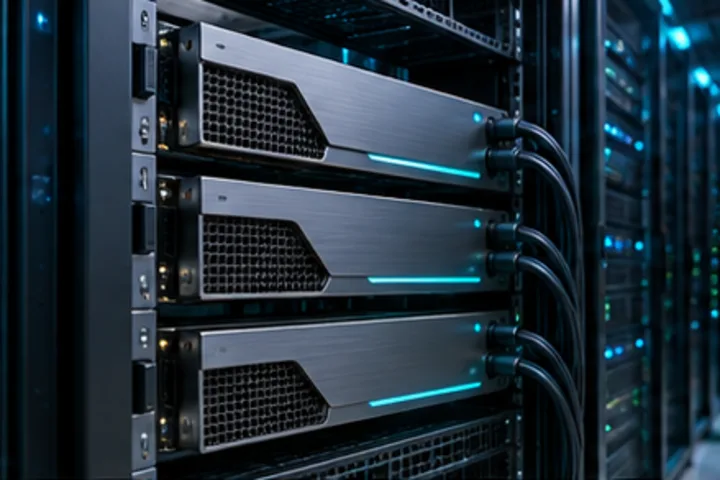
A request moves through input validation, model serving, post-processing and a response layer; each stage has its own queue.
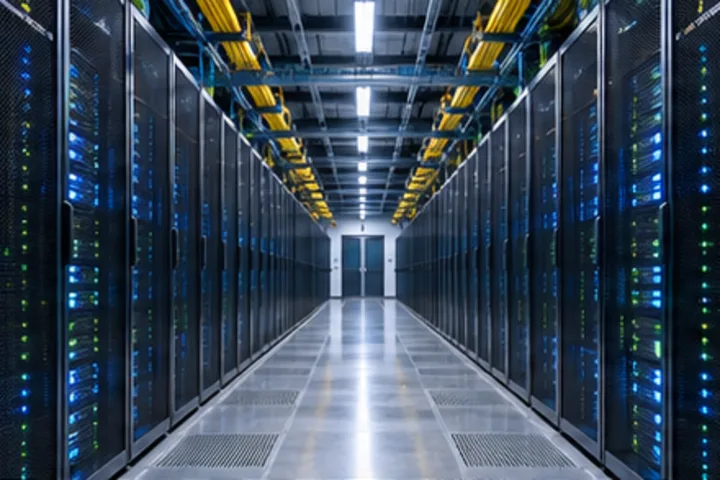
Compute, storage, network transfer and managed-service fees are measured separately; idle resources can remain chargeable.
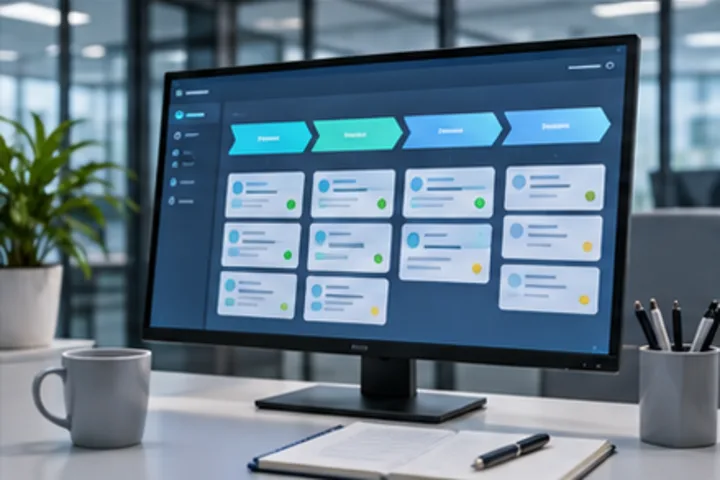
A bounded assistant chooses among permitted actions, requests missing information and records intermediate decisions.
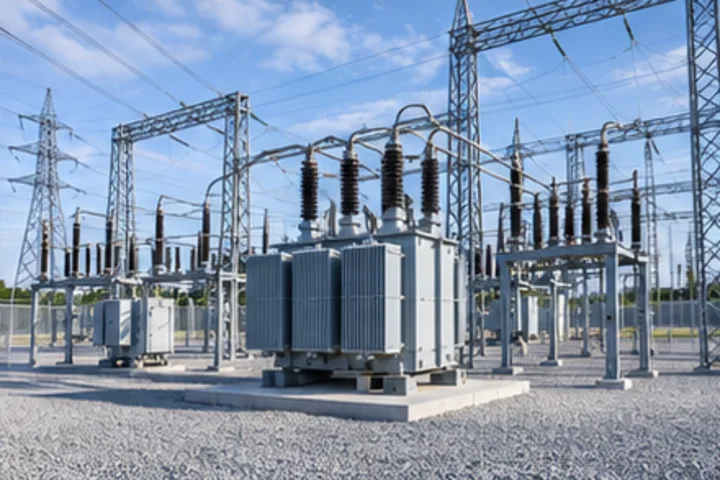
New computing capacity requires electrical connections, distribution equipment and enough cooling to support the installed load.

A pilot evaluates a system under limited operating conditions with baseline measures and a defined endpoint.
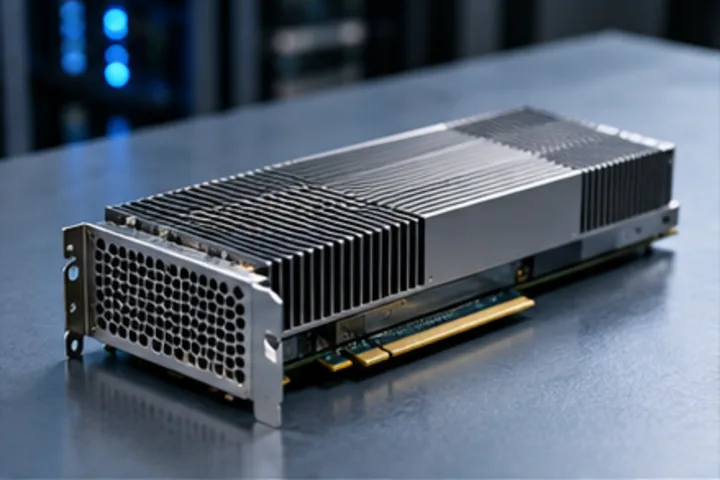
Models differ in context handling, structured output, latency and their tendency to make errors on particular tasks.
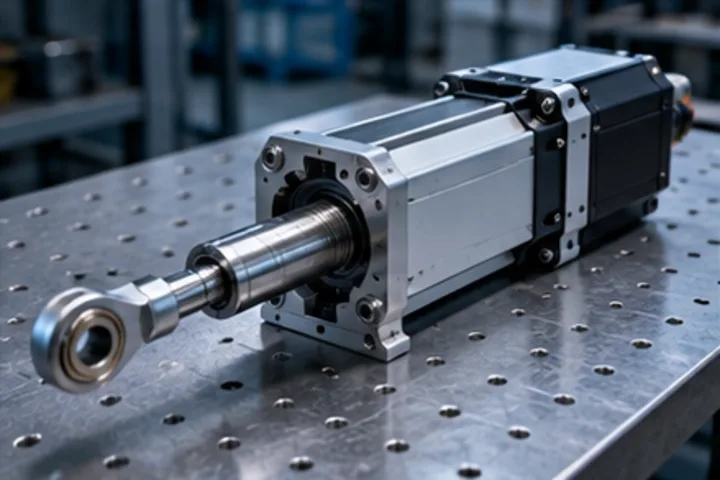
A device can be sold alongside ongoing software, monitoring, maintenance or analytics that continue to provide useful service.
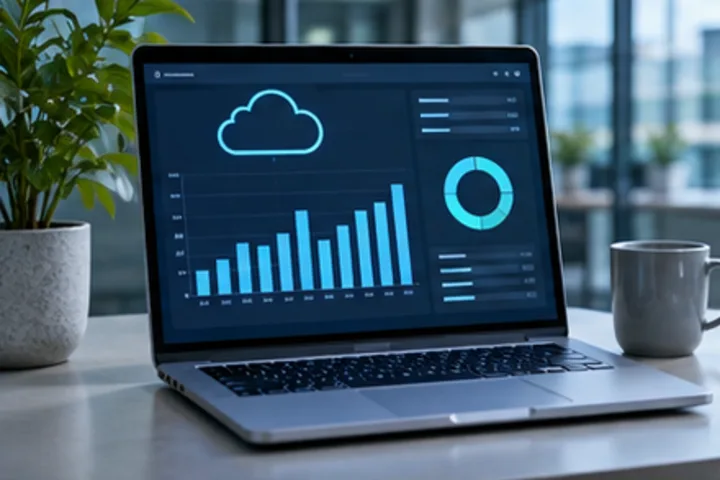
Billing follows measured units such as processed records, compute time or transactions rather than only the number of authorised users.
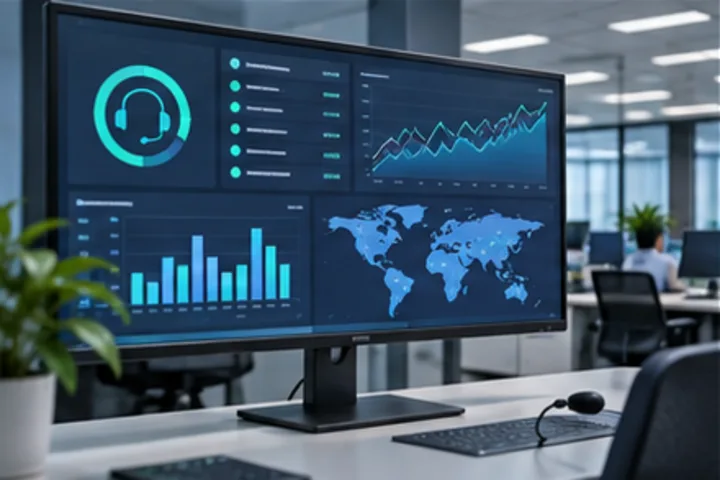
An assistant drafts answers using a controlled information base and routes unfamiliar questions to the appropriate people.

A spatial interface estimates position and orientation, aligns digital content with physical motion and renders the result with limited delay.
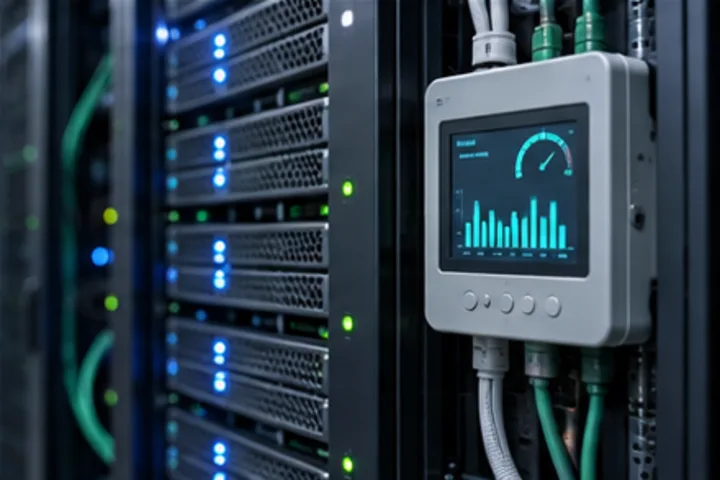
Accelerator computation consumes electricity alongside cooling, networking and idle capacity; utilisation affects the energy associated with each result.
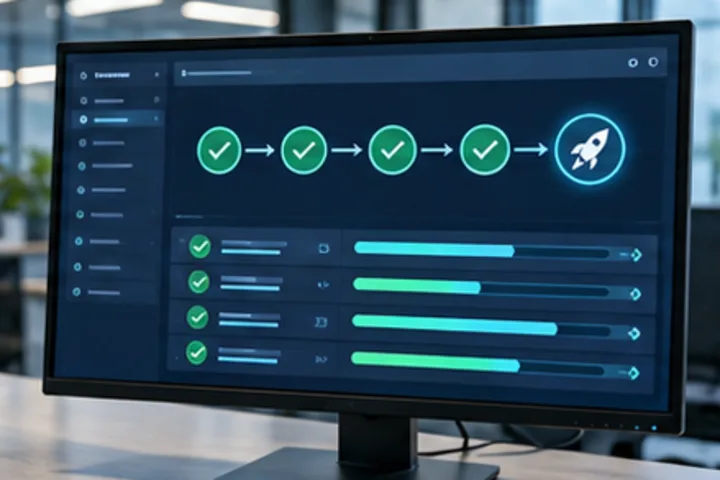
A release process combines controlled changes, checks and observation of the new behaviour before wider availability.

Separate geographic deployments reduce dependency on one location but introduce replication, routing and consistency decisions.

Cash runway compares available funds with actual expenditure, accounting for irregular purchases and customer payment schedules.
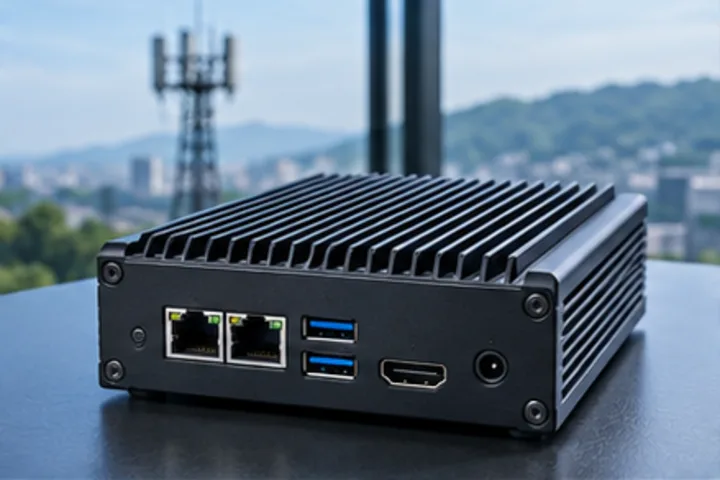
Quantisation reduces the number of bits used for parameters and can shrink memory needs; execution may use specialised local hardware.

Optical signals carry information through engineered structures and can reduce certain electrical interconnect limitations.
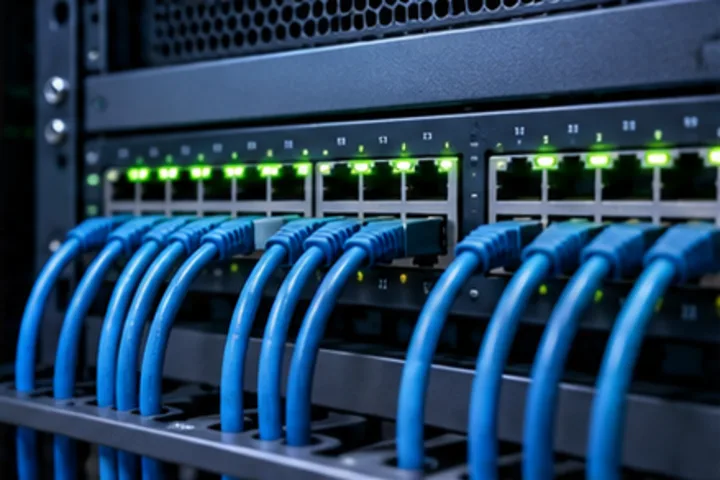
Applications have different identifiers, data models, timing expectations and ownership; integration converts and reconciles those differences.

Milestones convert research uncertainty into testable targets covering repeatability, manufacturing and performance under specified conditions.
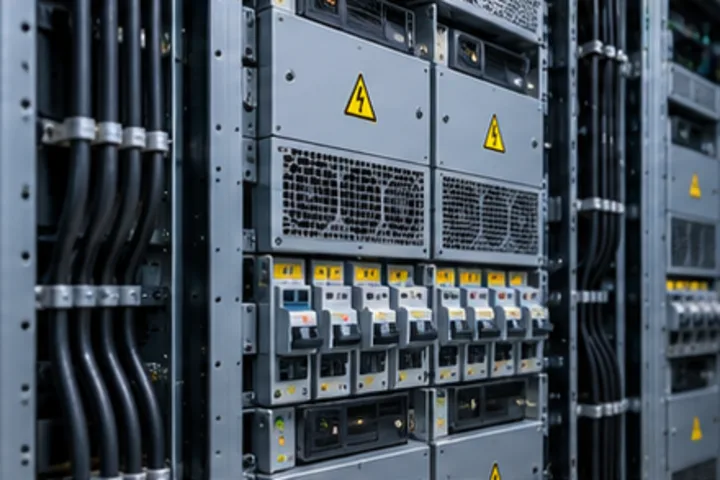
Hardware choice, software efficiency and facility overhead jointly shape the electricity needed to complete a computing task.
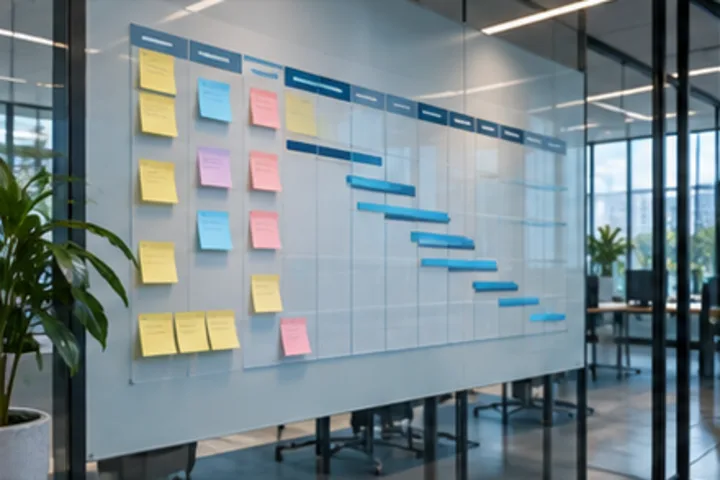
Quick changes accumulate dependencies, duplicated rules and untested behaviour; future work then requires more effort and verification.
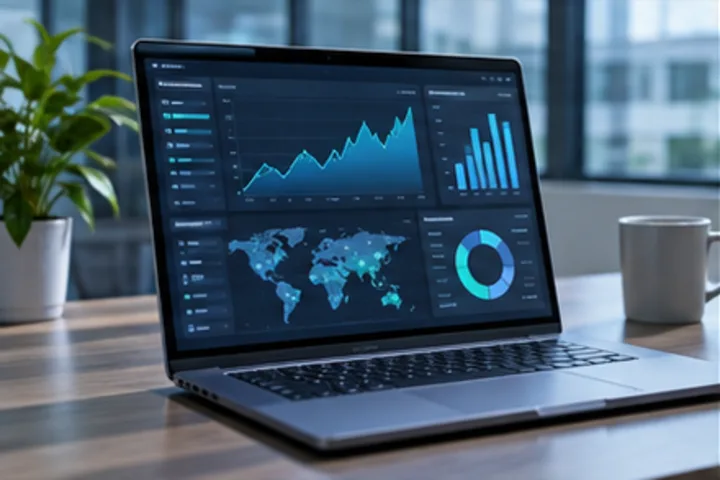
Teams assemble representative tasks, establish acceptance criteria and compare model output with reviewed examples.
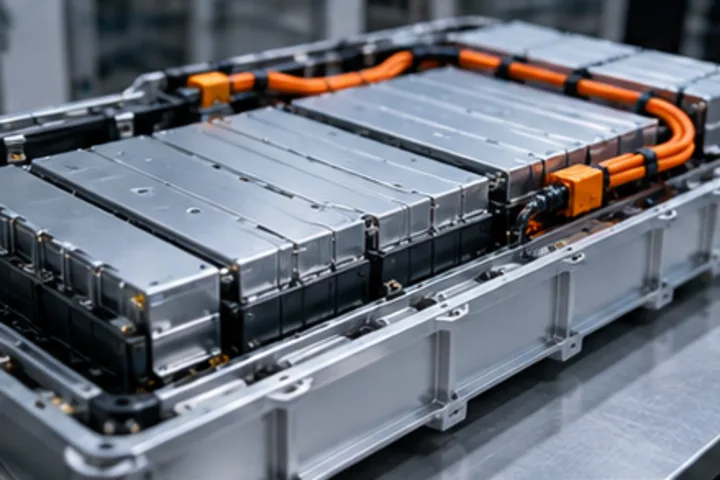
Monitoring electronics estimate cell state from measurements including voltage, current and temperature while enforcing operating limits.
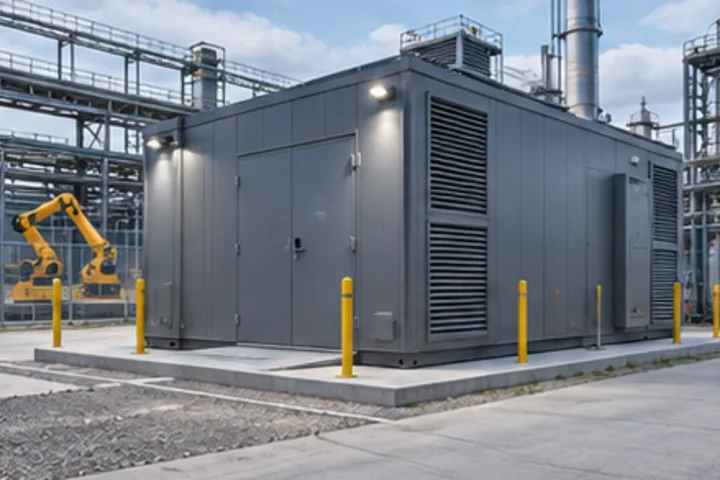
Processing near equipment or users reduces round-trip communication and can permit operation during intermittent connectivity.
Validation separates technical feasibility from evidence that a customer will change behaviour and pay for an operational benefit.

Structured ownership, document versions and consistent metadata help software locate the correct information for a specific task.
Partners can provide complementary distribution, manufacturing expertise or specialised components while responsibility remains defined by agreement.

Different languages alter tokenisation, morphology and available training examples, while local terminology changes the meaning of business documents.

Seat limits, feature tiers and usage allowances distribute revenue across customers with different operating needs.
Scheduling assigns jobs to available machines according to resource needs, priority and constraints.
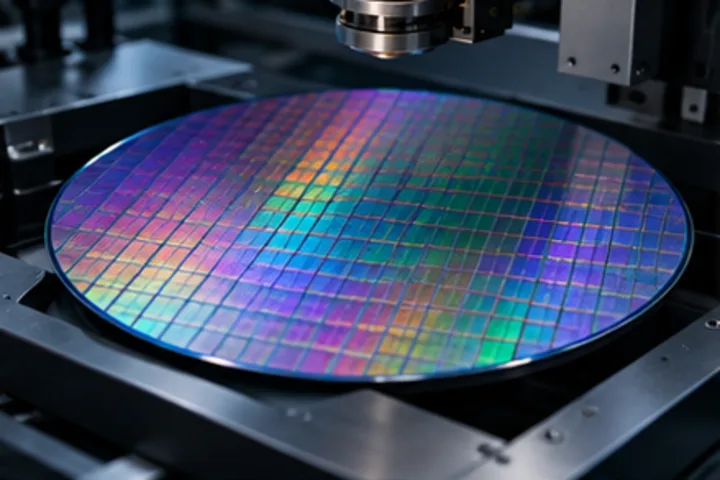
Packaging connects dies to each other and the surrounding system while providing electrical, mechanical and thermal pathways.
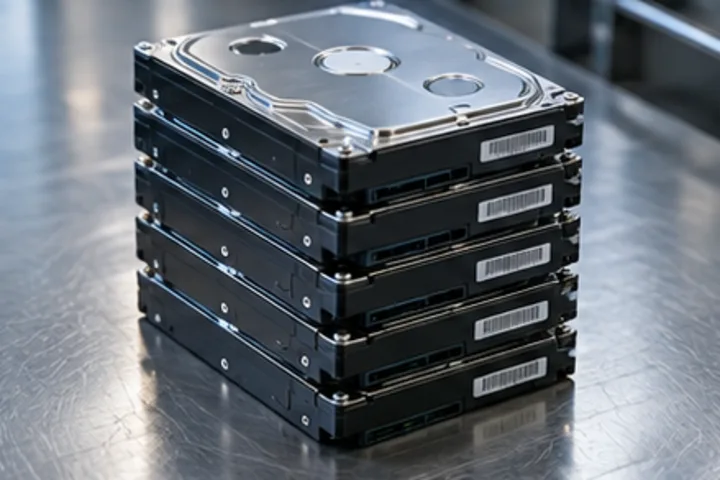
Export mechanisms make stored records available in predictable formats with relationships, metadata and meaningful identifiers.
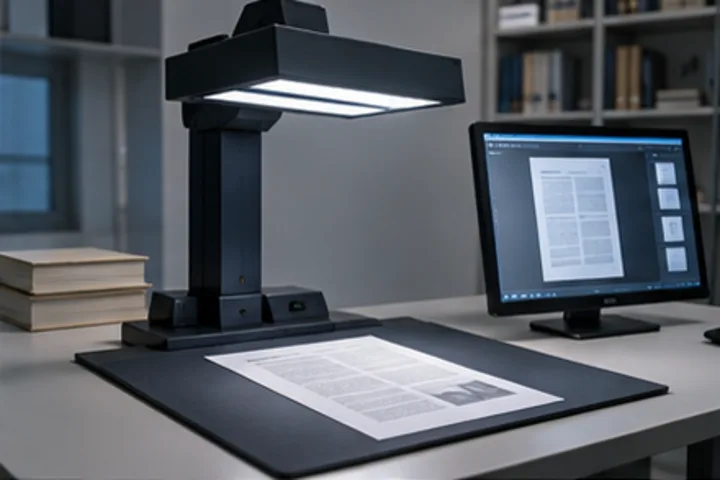
Documents are indexed by passages; retrieval selects relevant material before a model constructs an answer with the selected context.
Light-based measurements infer distance, movement or material characteristics through selected optical interactions.
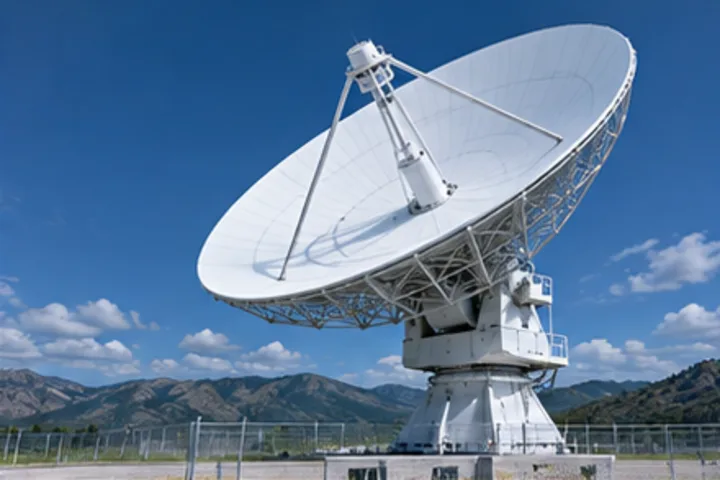
Ground terminals exchange signals with orbiting systems and network gateways, extending communication beyond terrestrial access.

Business customers assess integration, operating risk, maintenance and approval requirements before adopting a new industrial tool.
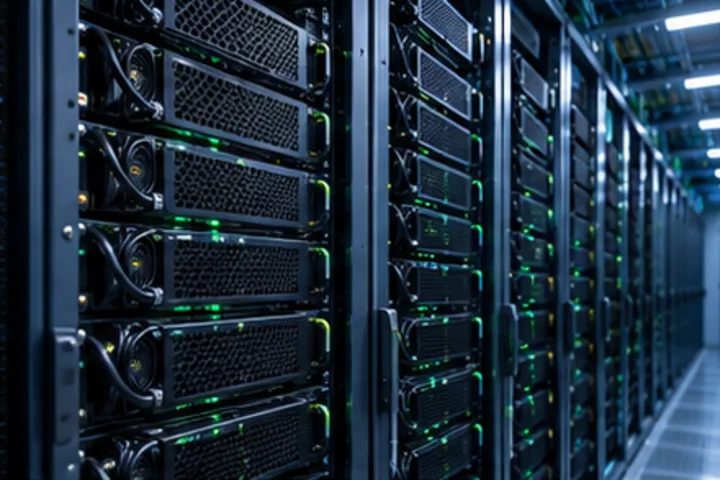
Capacity planners distinguish sustained demand from peaks and examine how rapidly available resources can respond to changes.

Generated examples can expand coverage of rare scenarios or protect some sensitive details, but properties of the source distribution still matter.
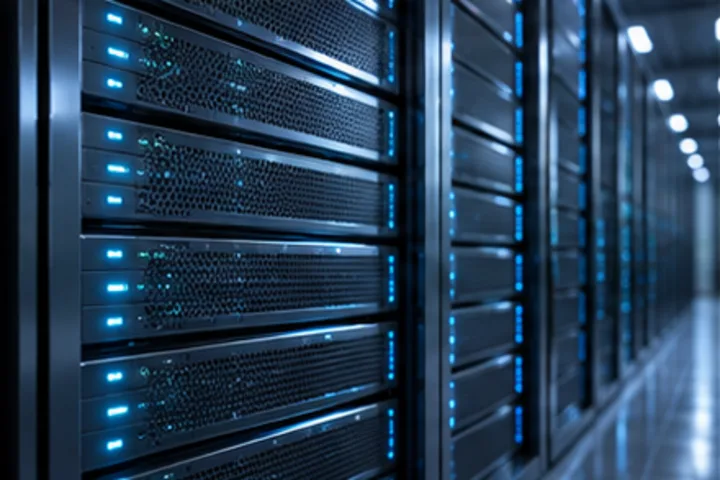
Concurrent operations, large queries and growing indexes compete for memory and storage bandwidth inside a shared database.

Discovery examines current workflows, constraints and purchasing responsibility before promising a particular technical solution.
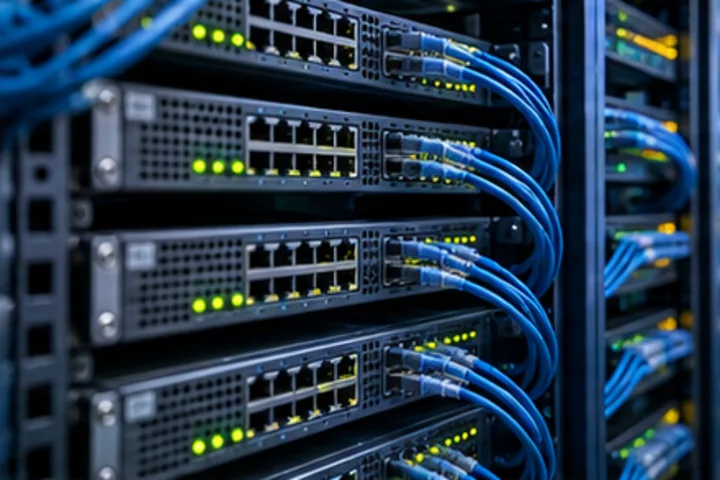
A common observation layer collects useful signals from hosted systems and equipment operated in private facilities.

Optical recognition converts images into text; extraction separates fields and validation checks them against expected types and records.

Augmented reality aligns a digital representation with a user's observed physical surroundings using sensors and display technology.
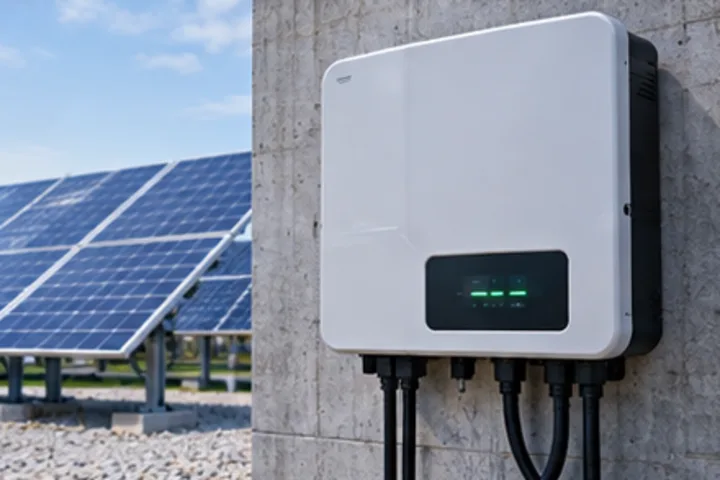
Monitoring and control systems use measurements from generation, storage and consumption to coordinate operation within physical constraints.
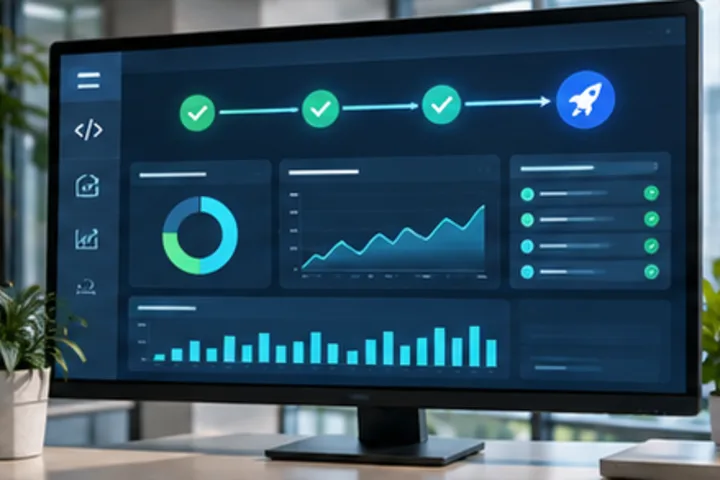
Logs, metrics and traces reveal service behaviour at different levels, helping operators distinguish failures from slow dependencies.

A proof of concept tests a narrow technical or business assumption with a defined experimental outcome.
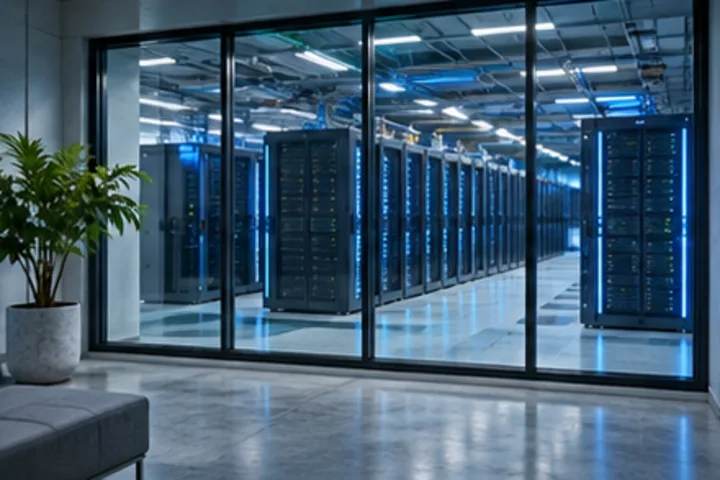
A managed component shifts some operating work to a provider while leaving application design and data responsibility with its customer.
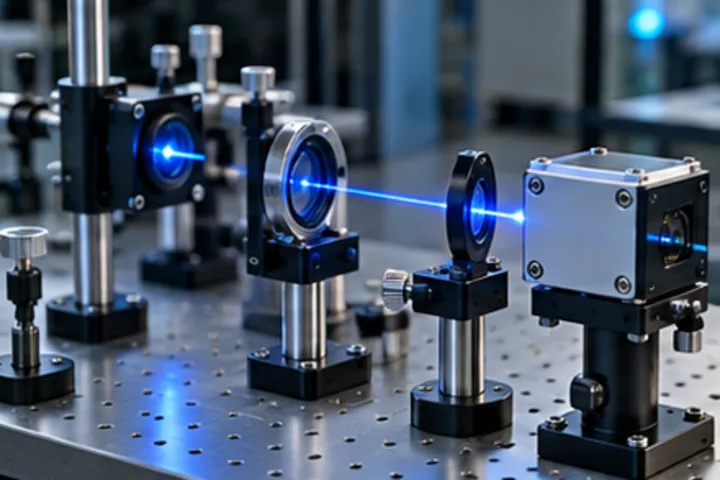
An invention describes a technical approach; a product must satisfy buyers, regulatory conditions, manufacturing limits and support needs.
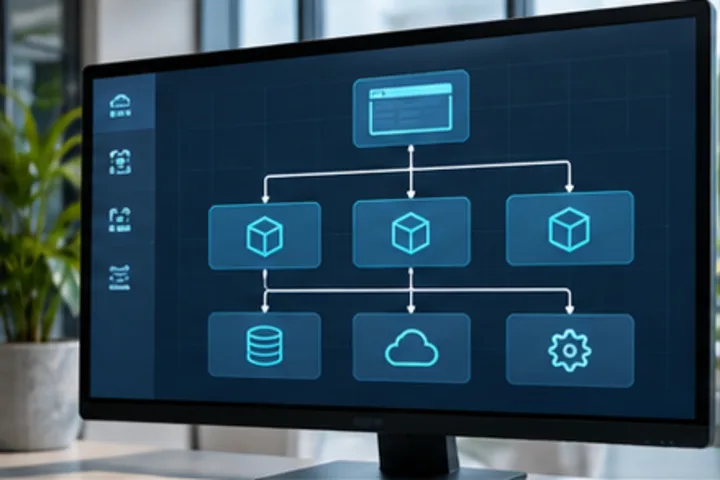
Stable interfaces define expected inputs, outputs and errors; versioning allows independent teams to change implementations without immediate…
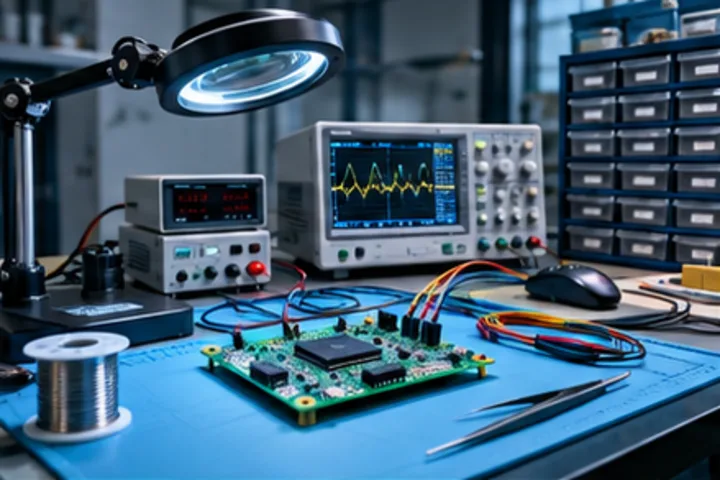
Manufacturing converts a design into repeatable components, assembly procedures and quality controls.

Laser pulses or modulated light provide distance measurements that can be assembled into a spatial representation.
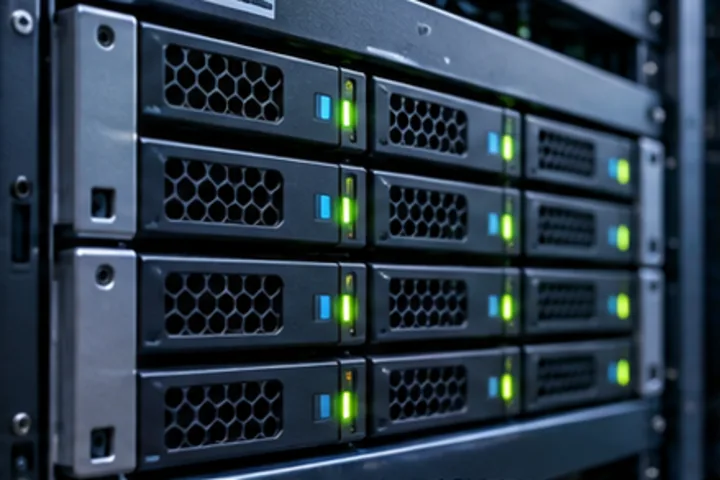
Frequently accessed data requires different storage characteristics from infrequently retrieved archives, including retrieval fees and delay.
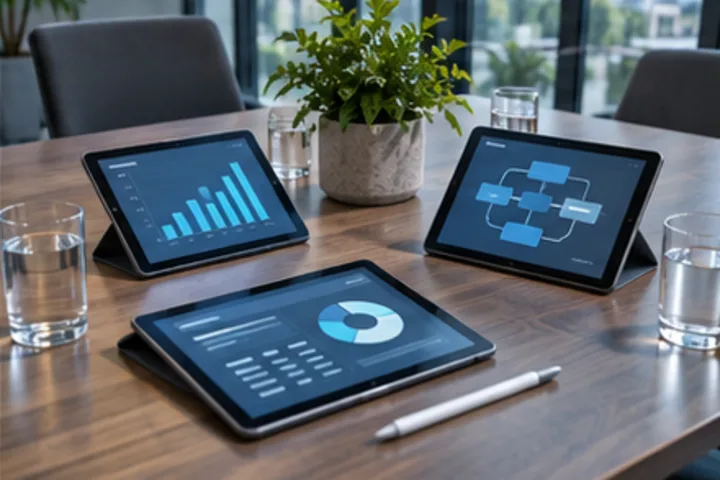
Visual workflow builders connect records, rules and external interfaces with less handwritten implementation.

As products mature, teams add documentation, testing, support and production responsibilities that did not exist during experimentation.
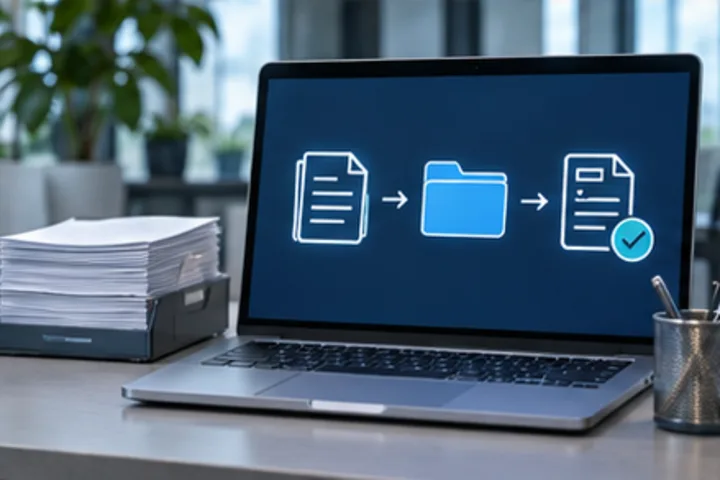
Migration teams map records, test conversions and reconcile counts and relationships before changing daily operations.
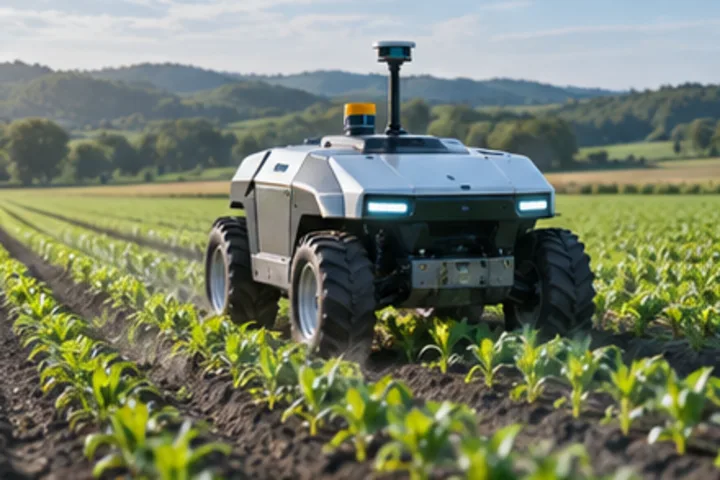
Cameras and processing systems identify visible features associated with crop rows, boundaries or equipment position.
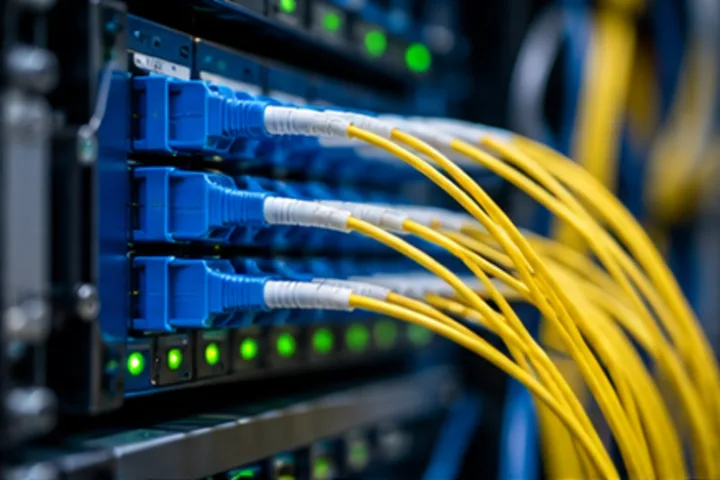
Requests travel through multiple network links; physical distance, routing and service processing all contribute to delay.
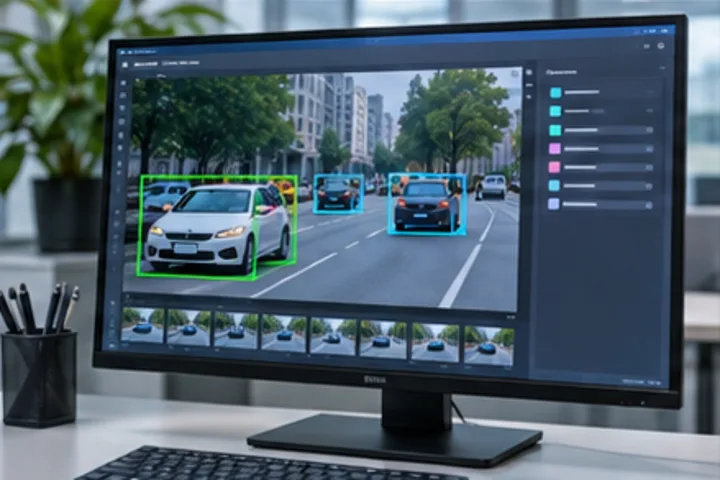
Examples encode the vocabulary and failure modes of an organisation; labelled data lets teams test and refine behaviour under known conditions.
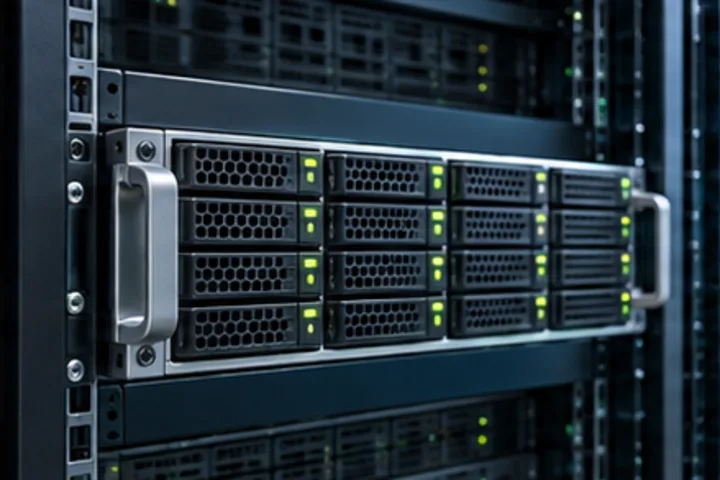
Objects contain data and associated metadata, accessed through identifiers rather than the semantics of a shared local filesystem.

Sensors combine measurement physics, packaging, calibration and software; the surrounding service can be as important as the device.
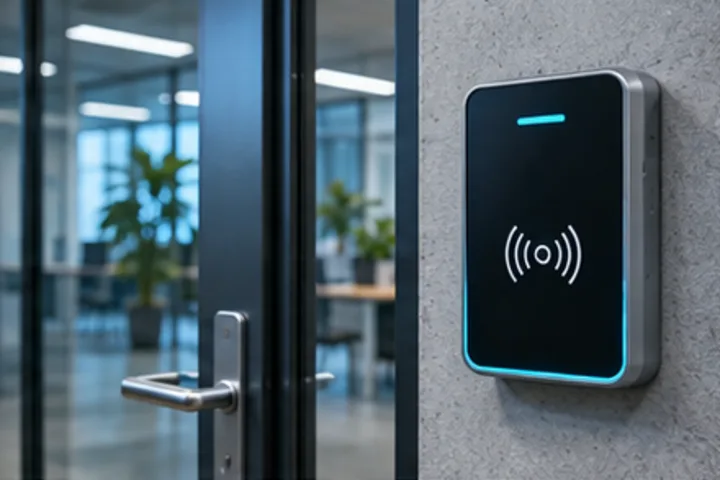
Role-based permissions group tasks by responsibility while periodic reviews identify rights no longer required.
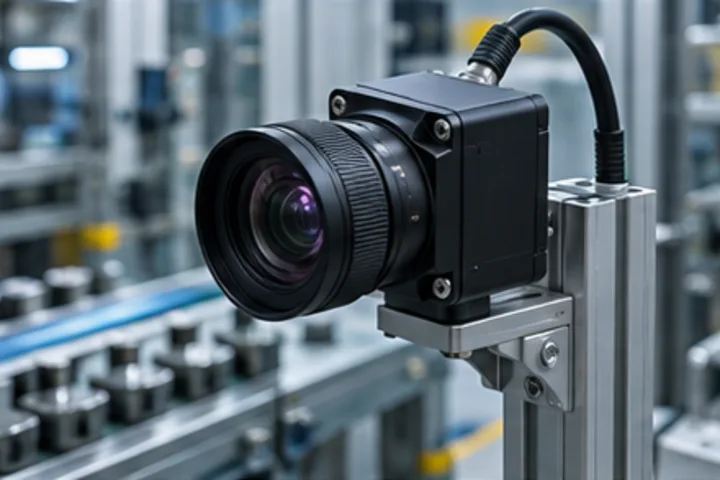
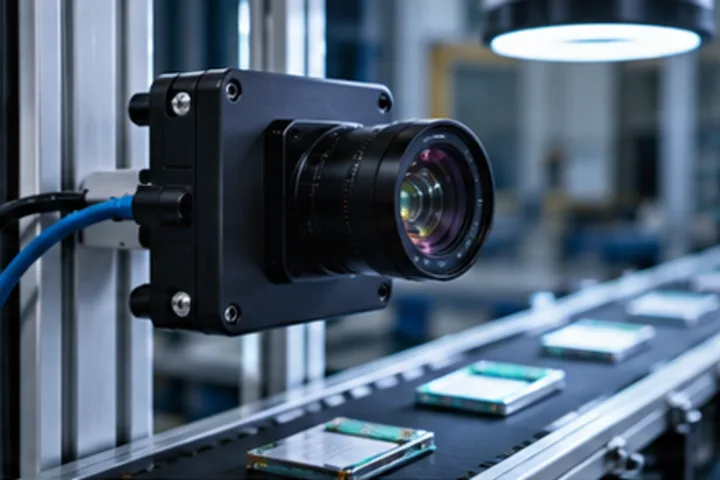
Cameras collect images under controlled lighting and a classifier or detector identifies features associated with specified defects.
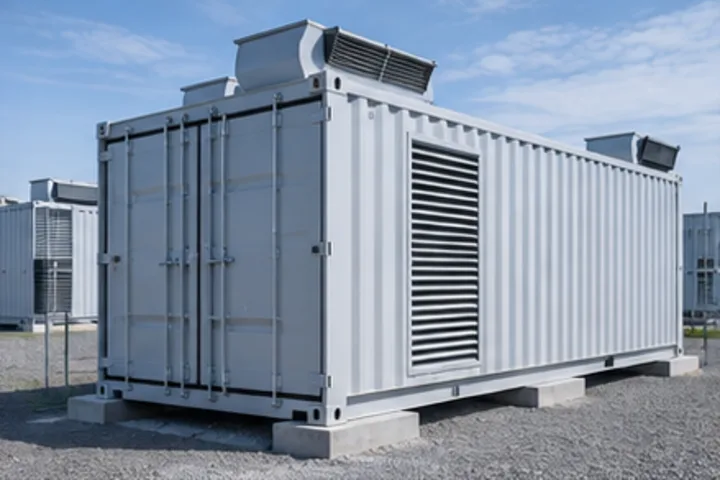
Images package application dependencies and a runtime schedules isolated processes onto available compute resources.
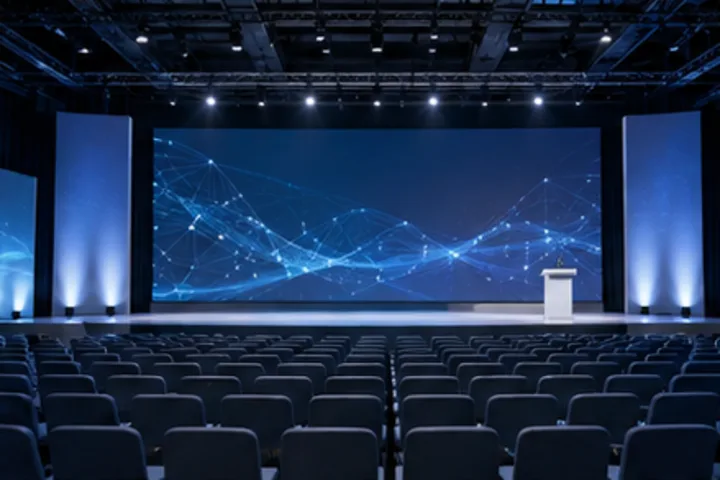
Conferences provide spaces for research discussion, professional introductions and exploration of technical subjects beyond individual products.
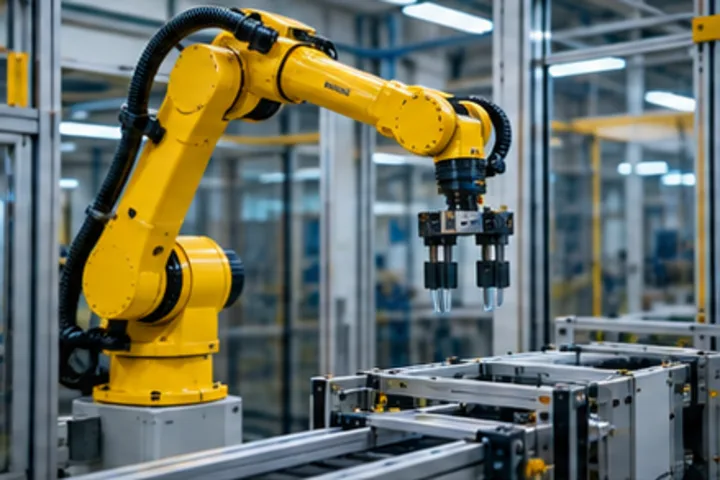
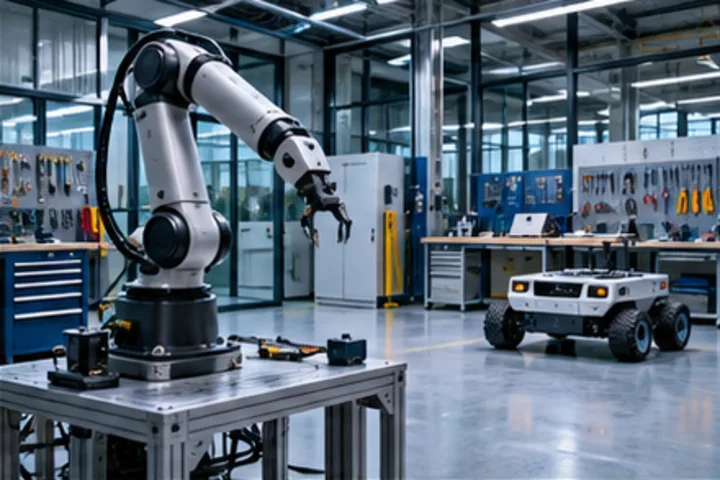
Robotic equipment combines mechanical movement, sensors and control software to carry out tasks within a defined operating environment.
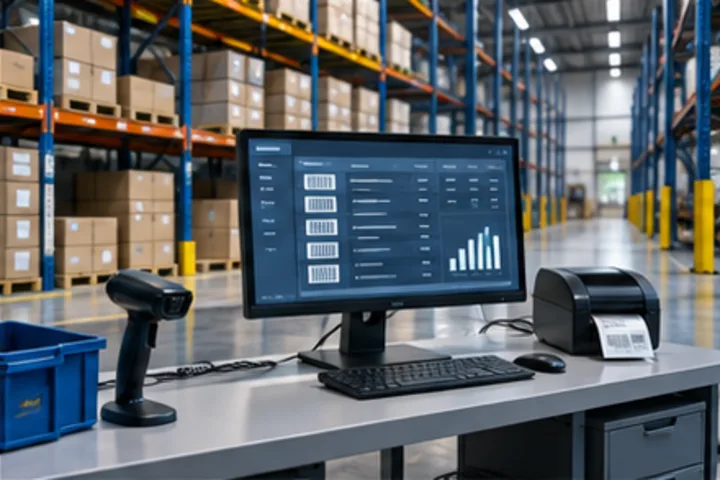
Structured applications separate records, permissions and audit history while preserving calculation and reporting features where useful.

Investment narratives combined several potential markets, including immersive entertainment, workplace tools, commerce and computing infrastructure.
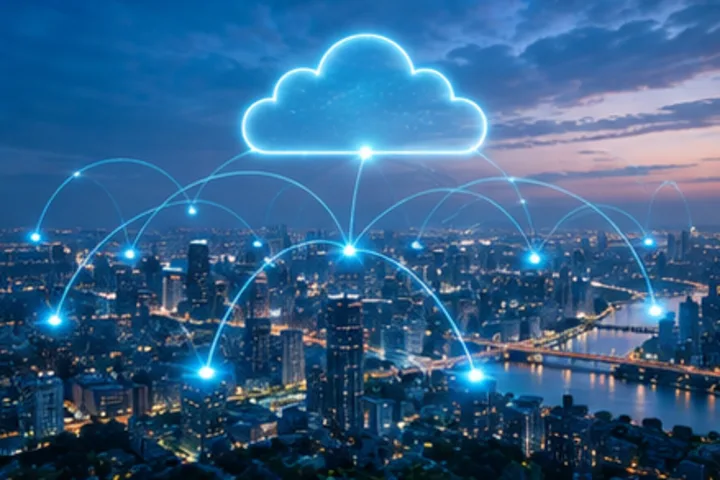
Availability measures the proportion of a defined interval in which a service performs its agreed function.

The metaverse idea brings together immersive interfaces, shared simulation, identity and digital economies rather than a single technical product.

Sensors and controllers measure indoor conditions and regulate systems such as ventilation and lighting.

Models combine vibration, temperature and maintenance histories to estimate whether behaviour has moved away from a known baseline.
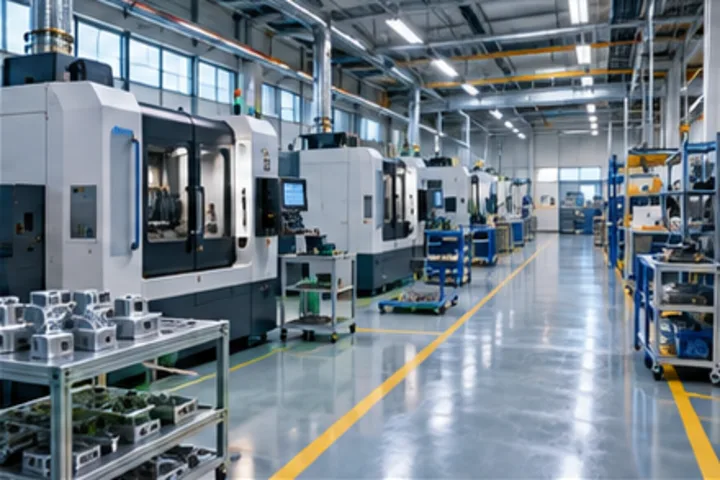
A technology's return depends partly on the interruption it causes or prevents and the value of lost production time.
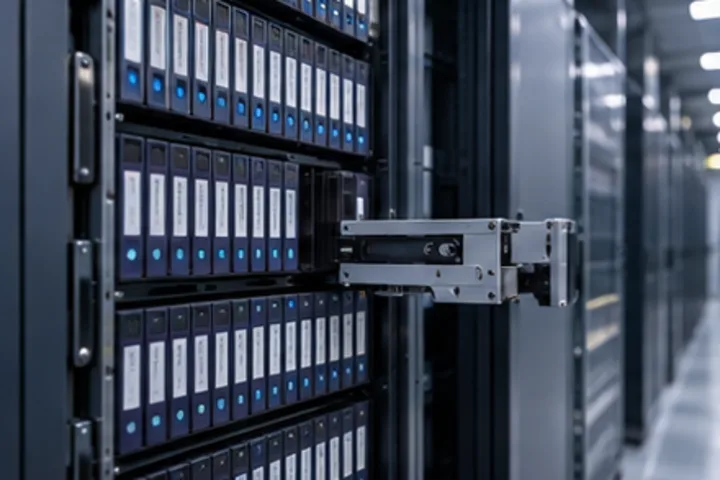
Backup copies preserve recoverable versions of important data, and restoration tests establish whether those versions can be used.
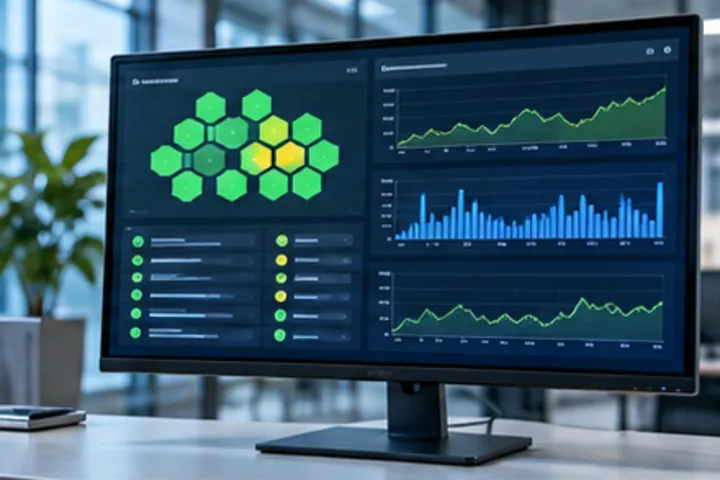
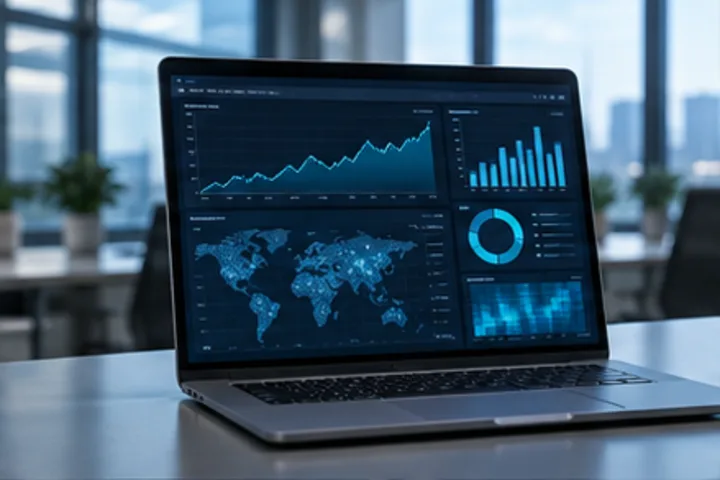
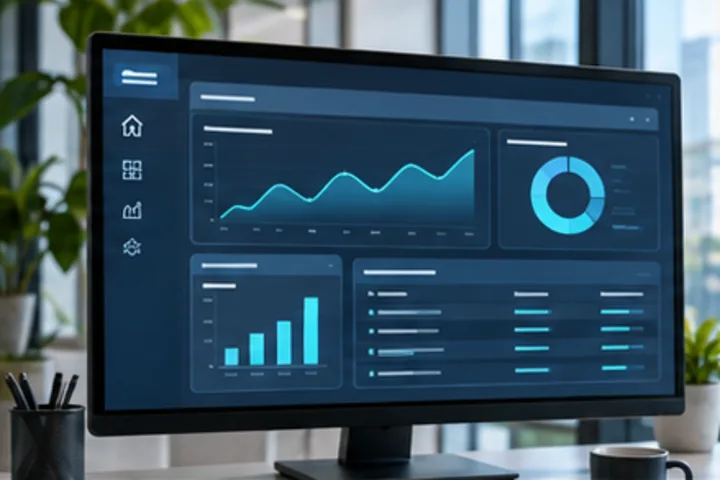
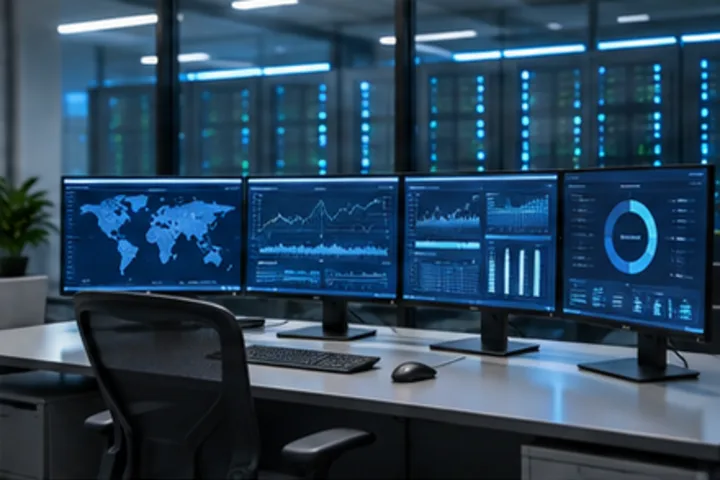
A dashboard translates available records into a small number of measures aligned to actual decisions and displays their update timing.

Application selection includes identity, permissions, accessibility, connectivity and compatibility with daily collaboration practices.