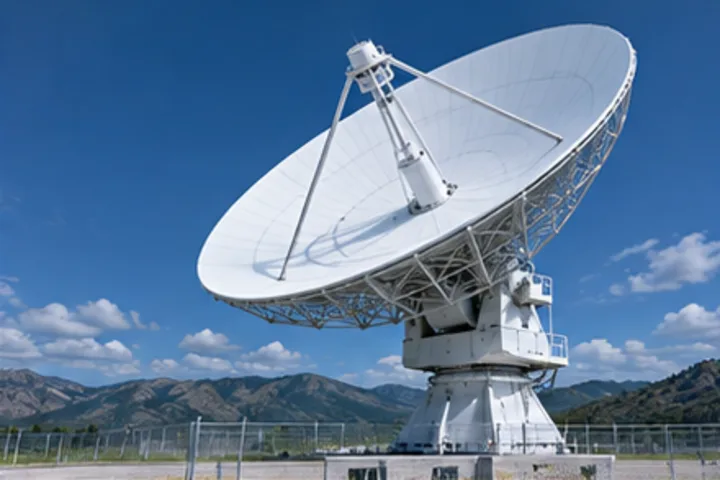
Why optical sensing is spreading into industrial equipment
Light-based measurements infer distance, movement or material characteristics through selected optical interactions.
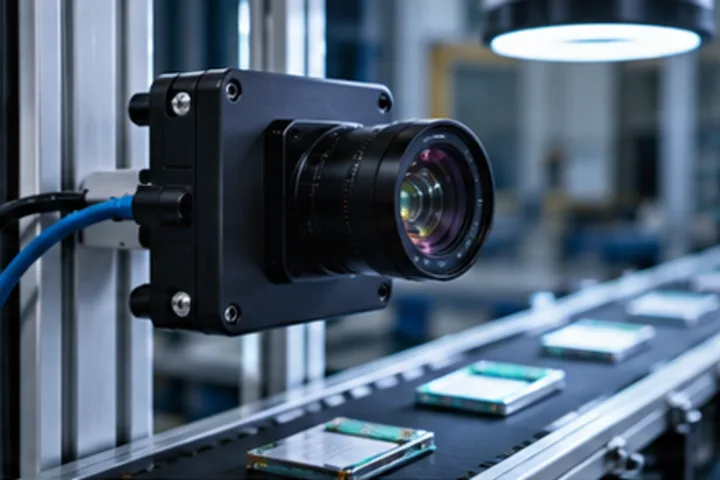
Light-based measurements infer distance, movement or material characteristics through selected optical interactions. The practical issues surrounding industrial optical sensors appear when the technology has to operate alongside ordinary business processes, not merely when a representative task works in isolation. Surface properties and ambient illumination alter the measured signal and complicate calibration. That distinction shapes the choices made by both the people responsible for technical performance and the people who pay for the finished result.
How it fits into a real system
A production line checks whether transparent packaging has been positioned properly before a subsequent step. In that hypothetical setting, the people evaluating industrial optical sensors would start with an ordinary working period rather than the most impressive demonstration. They would record the number of tasks they attempt, the outcome of these tasks and the effort required to handle exceptions. The same observations can then be made with the new approach. Optical measurements require stable calibration conditions. This makes the evidence useful to someone responsible for continued operation, not just for the initial installation.
An optical system designed to recognise a clear container may receive a different signal when the container has moisture on its surface. The light source, viewing angle and detector affect which properties the system observes. Repeated measurements using representative materials and known reference conditions establish how much variation the instrument can accommodate before the reading becomes unsuitable for a decision.
Conditions that affect performance
Surface properties and ambient illumination alter the measured signal and complicate calibration. A test should include at least some of the conditions that make this limitation relevant. Rather than deliberately creating an artificial catastrophe, look at the cases the existing team already finds difficult. Placement and cleanliness affect repeatability in industrial use. If the proposed process fails under one of those conditions, the important next question is whether the failure is easy to recognise and correct before its consequences reach another process.
Experimental measurements reveal behaviour under the specified conditions of the test. Those conditions may exclude vibration, dust, temperature changes or the variety of tasks encountered by a real operator. A product can be technically sound but unsuitable for one setting. Reproducing the relevant physical conditions and examining several independent units makes an assessment more informative than repeating one favourable demonstration.
Testing the complete application
An assessment focused on industrial optical sensors needs measurements associated with useful work. Relevant candidates are repeatability, calibration interval and inspection throughput. A single favourable number can hide variation across locations, times of day or input types. Materials may respond differently at different wavelengths. Separate those groups before calculating an aggregate. Differences in performance may reveal which operating conditions are appropriate and which ones need a different approach.
For an illustrative calculation, suppose 320 comparable tasks during an observation period require an average of 11 minutes with an established method and 8 minutes with a proposed replacement, including the normal handling of exceptions. The difference is 16.0 hours for that group of tasks. It is not a forecast for industrial optical sensors. It simply shows why the definition of completed work matters: uncorrected errors, delayed activity and additional maintenance time would change the calculation, even though the reported task duration remains the same.
The engineering alternatives
The decision is not simply whether industrial optical sensors works. A mechanical limit switch can be more reliable for a basic binary position check. A buyer should examine which requirements make the more specialised approach useful. If an expensive capability is used for only a small portion of tasks, it may be appropriate to limit its deployment to that portion. The cost and complexity of running two approaches have to enter that calculation, alongside the savings each offers.
Broad descriptions of a technology can suggest that every organisation working in a large sector is a possible customer. Actual suitability depends on a much narrower set of requirements. A particular task may demand a combination of precision, speed and environmental tolerance unavailable from cheaper alternatives. Identifying that combination is more persuasive than assuming a theoretical advantage applies to all uses of the technology.
Related analysis: Satellite connectivity for remote operations. It deals with another part of the same technical or commercial decision.
Cost in the operating environment
When evaluating industrial optical sensors, it is worth asking whether an estimate of savings concerns actual expenditure or a reduction in effort that can be put to other uses. They are not always equivalent. Reducing the time a specialist spends on a task may create capacity without reducing the department's payroll. The organisation benefits if it can direct that capacity toward work of value. The assessment should record the assumptions needed for that benefit to materialise.
Many emerging technologies depend on components whose behaviour changes with use or environment. Calibration may need to be repeated, moving parts wear and software updates can alter the relationship between a measurement and its interpretation. The expense of maintaining useful performance is part of the cost of adoption. Access for service technicians and the availability of replacements affect the practical lifetime of equipment.
From demonstration to deployment
A decision to adopt industrial optical sensors will also change responsibilities. Establish which person or group looks at the observations when the system is healthy and who acts when something goes wrong. Documents that identify only a project manager are insufficient once the project becomes part of routine operation. The work of collecting performance information, investigating exceptions and authorising changes needs a continuing place in the operating plan.
A technical specification describes performance using a defined procedure and unit of measurement. It does not necessarily establish how much useful work a complete system can accomplish. Measurements should be tied to an application, including the time before and after the measured operation. A system with a superior component may have no corresponding advantage when that component accounts for a small proportion of the overall task.
Another consideration is the relationship between observations and decisions. A measurement may be easy to collect because the equipment or software already produces it, even if it cannot establish whether the required work was accomplished. The team assessing industrial optical sensors can describe each proposed measurement alongside the decision it is expected to support. If the same decision could be made without that information, collecting it at great expense may be unnecessary. If an important decision has no corresponding evidence, the evaluation plan still contains a gap.
Scale deserves attention in its own right. The number of locations, records or pieces of equipment involved affects the way a process is supported. In some situations the additional work can be distributed efficiently; in others a shared resource or a small specialist group becomes a limiting factor. A prediction for industrial optical sensors should include the effects of a realistic increase in workload, not simply multiply a small test result by the number of proposed installations. Recheck the estimate where operations depend on scarce resources.
Existing processes may contain useful practices that are easy to overlook during a replacement. Someone often recognises an exception because of information absent from the official record, a convention that was never written down or a relationship between two earlier events. Examining these practices before changing industrial optical sensors can reveal which requirements the new approach must preserve. The important distinction is between unnecessary manual effort and judgement that genuinely contributes information. Only the first can be removed without replacing its function.
The final choice depends on the combination of operating constraints and expected workload. Establishing a decision threshold before a trial gives the results greater meaning: the threshold should reflect the consequences of failure and the benefit of improvement. It can also provide a credible reason not to proceed with industrial optical sensors when the expected advantage is too small. A technology can be technically valid without offering sufficient value for a particular application.