

What enterprise AI actually costs after the pilot
Model inference, data preparation and human review sit on different budget lines; retries and oversized context windows add variable cost.
The mechanics, applications and economics of artificial intelligence, from model evaluation to factory automation.
Model inference, data preparation and human review sit on different budget lines; retries and oversized context windows add variable cost.
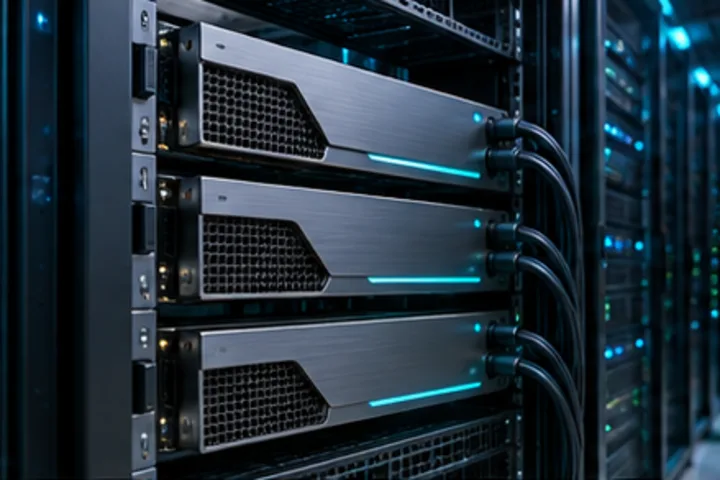
A request moves through input validation, model serving, post-processing and a response layer; each stage has its own queue.
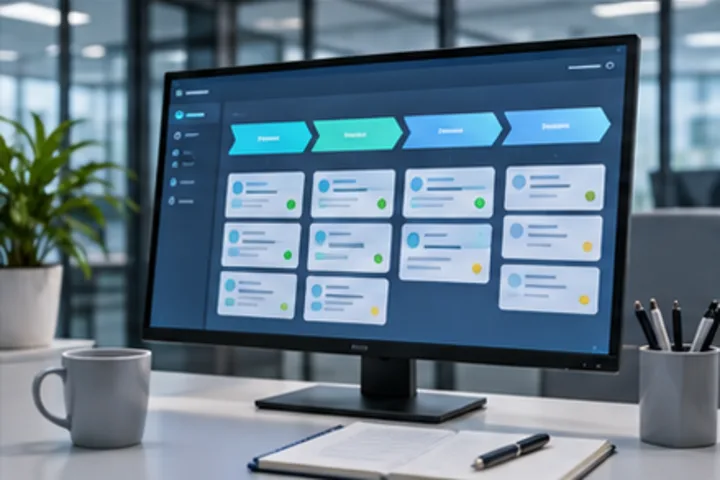
A bounded assistant chooses among permitted actions, requests missing information and records intermediate decisions.
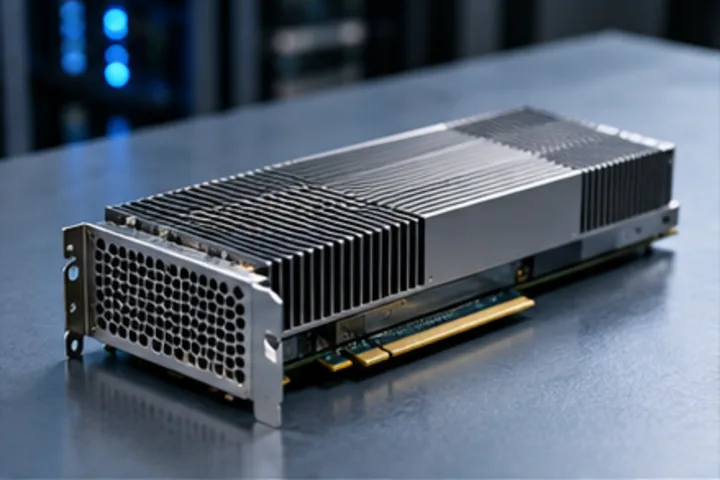
Models differ in context handling, structured output, latency and their tendency to make errors on particular tasks.

An assistant drafts answers using a controlled information base and routes unfamiliar questions to the appropriate people.
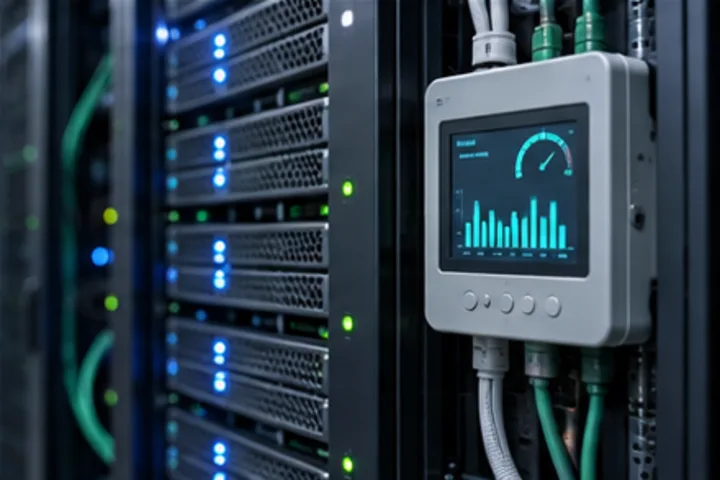
Accelerator computation consumes electricity alongside cooling, networking and idle capacity; utilisation affects the energy associated with each result.

Quantisation reduces the number of bits used for parameters and can shrink memory needs; execution may use specialised local hardware.

Teams assemble representative tasks, establish acceptance criteria and compare model output with reviewed examples.

Structured ownership, document versions and consistent metadata help software locate the correct information for a specific task.

Different languages alter tokenisation, morphology and available training examples, while local terminology changes the meaning of business documents.

Documents are indexed by passages; retrieval selects relevant material before a model constructs an answer with the selected context.

Generated examples can expand coverage of rare scenarios or protect some sensitive details, but properties of the source distribution still matter.

Optical recognition converts images into text; extraction separates fields and validation checks them against expected types and records.
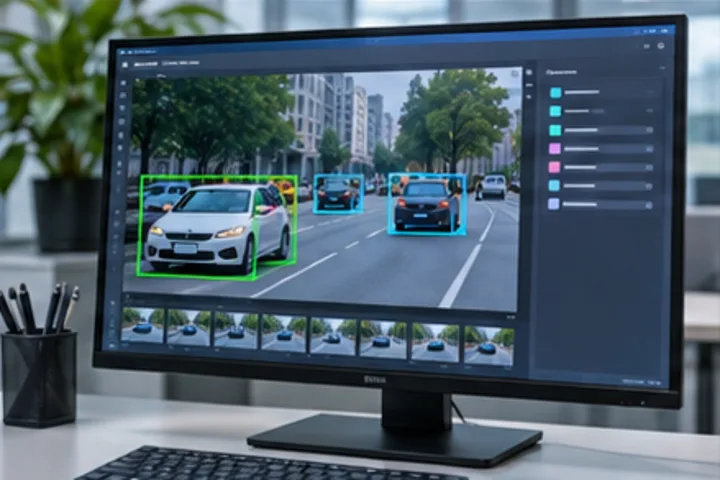
Examples encode the vocabulary and failure modes of an organisation; labelled data lets teams test and refine behaviour under known conditions.
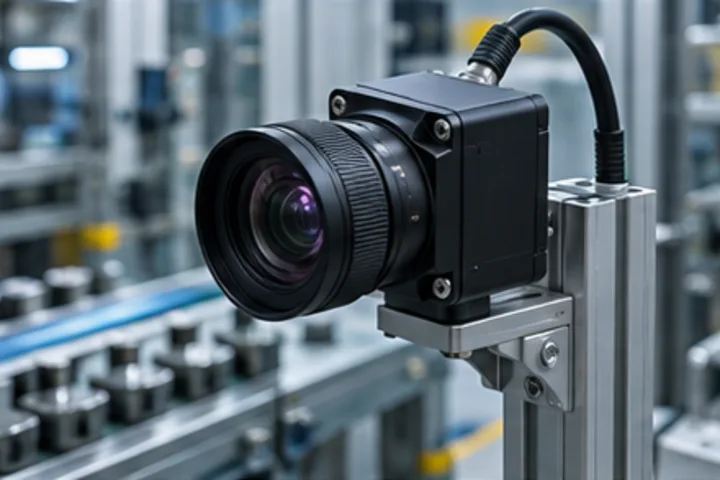
Cameras collect images under controlled lighting and a classifier or detector identifies features associated with specified defects.
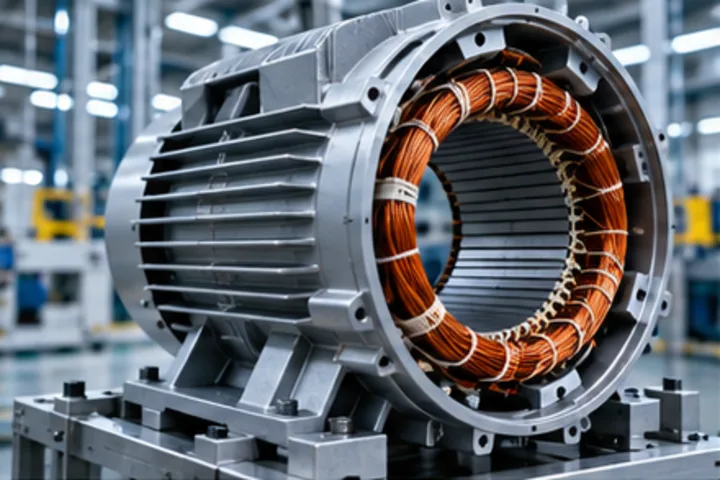
Models combine vibration, temperature and maintenance histories to estimate whether behaviour has moved away from a known baseline.