

Data centres and the problem of heat
Electronics convert electrical energy into heat that must be removed through air movement or liquid-based systems.
Infrastructure economics, data centres, storage, distributed systems and cloud operations.
Electronics convert electrical energy into heat that must be removed through air movement or liquid-based systems.

Compute, storage, network transfer and managed-service fees are measured separately; idle resources can remain chargeable.

New computing capacity requires electrical connections, distribution equipment and enough cooling to support the installed load.

Separate geographic deployments reduce dependency on one location but introduce replication, routing and consistency decisions.

Hardware choice, software efficiency and facility overhead jointly shape the electricity needed to complete a computing task.
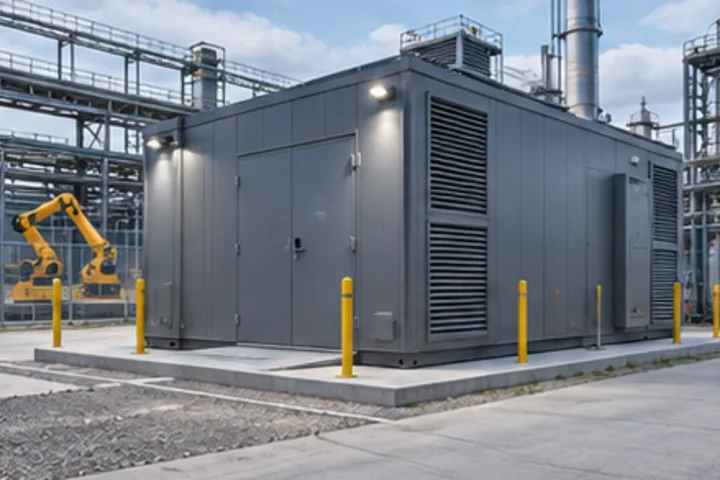
Processing near equipment or users reduces round-trip communication and can permit operation during intermittent connectivity.

Scheduling assigns jobs to available machines according to resource needs, priority and constraints.

Capacity planners distinguish sustained demand from peaks and examine how rapidly available resources can respond to changes.

A common observation layer collects useful signals from hosted systems and equipment operated in private facilities.

A managed component shifts some operating work to a provider while leaving application design and data responsibility with its customer.

Frequently accessed data requires different storage characteristics from infrequently retrieved archives, including retrieval fees and delay.

Requests travel through multiple network links; physical distance, routing and service processing all contribute to delay.

Objects contain data and associated metadata, accessed through identifiers rather than the semantics of a shared local filesystem.
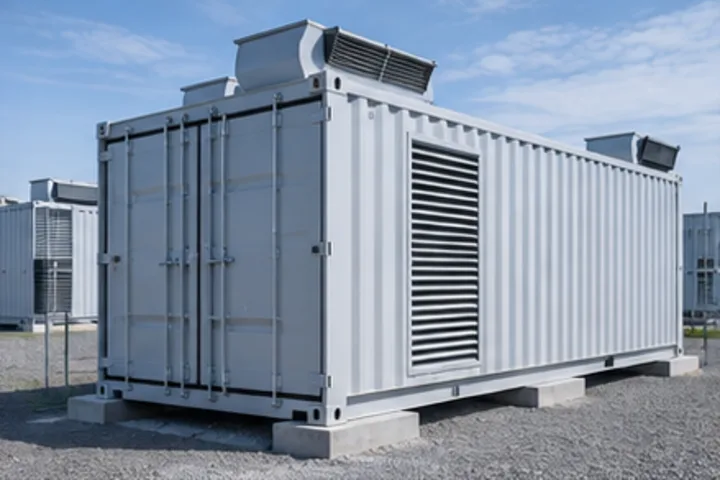
Images package application dependencies and a runtime schedules isolated processes onto available compute resources.

Availability measures the proportion of a defined interval in which a service performs its agreed function.
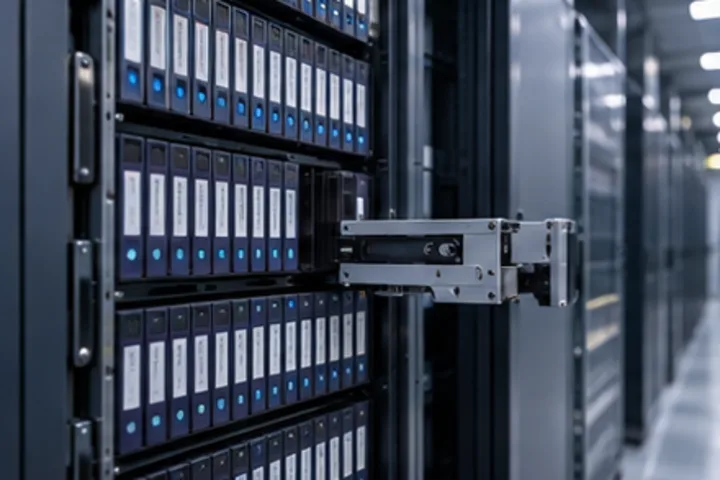
Backup copies preserve recoverable versions of important data, and restoration tests establish whether those versions can be used.