
Why vertical SaaS grows around industry workflows
Industry-specific tools combine specialised records, vocabulary and workflows that would otherwise require several general applications.
Enterprise software, application architecture, procurement and the day-to-day work of operating digital products.
Industry-specific tools combine specialised records, vocabulary and workflows that would otherwise require several general applications.
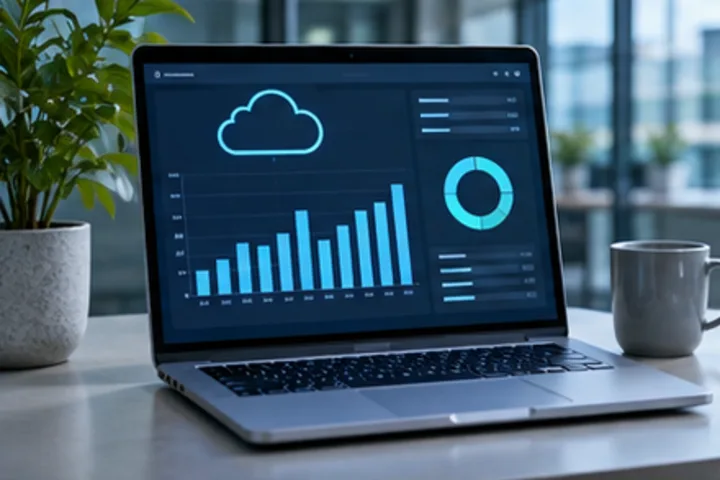
Billing follows measured units such as processed records, compute time or transactions rather than only the number of authorised users.
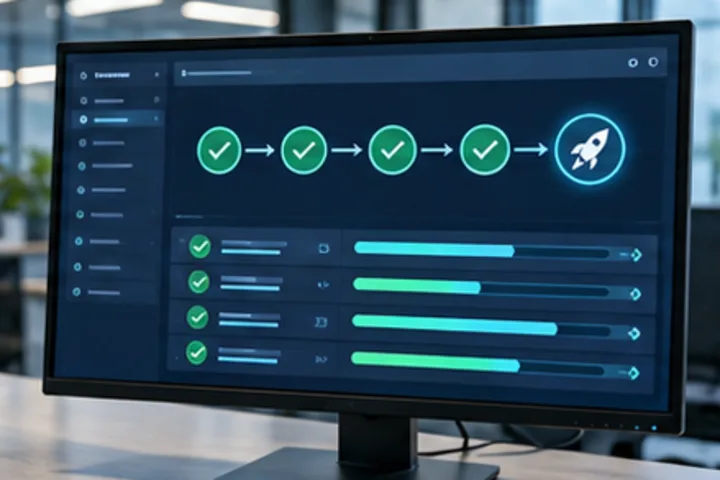
A release process combines controlled changes, checks and observation of the new behaviour before wider availability.

Applications have different identifiers, data models, timing expectations and ownership; integration converts and reconciles those differences.
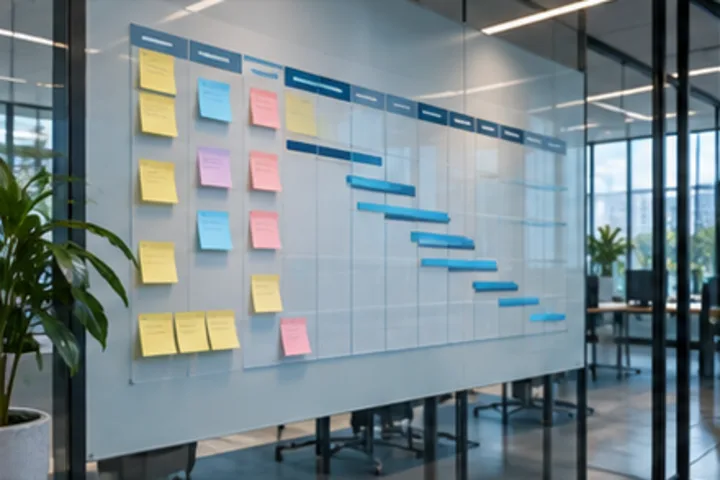
Quick changes accumulate dependencies, duplicated rules and untested behaviour; future work then requires more effort and verification.

Seat limits, feature tiers and usage allowances distribute revenue across customers with different operating needs.
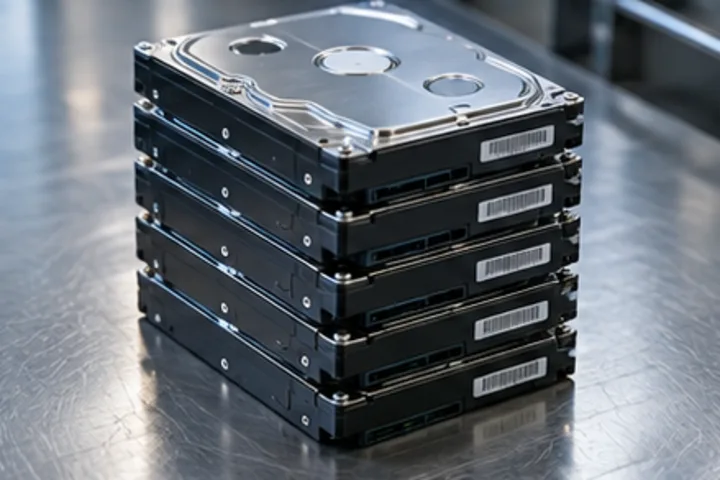
Export mechanisms make stored records available in predictable formats with relationships, metadata and meaningful identifiers.

Concurrent operations, large queries and growing indexes compete for memory and storage bandwidth inside a shared database.
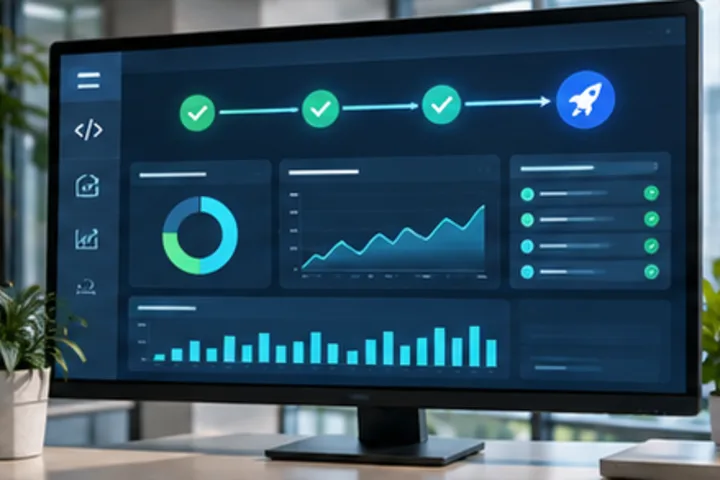
Logs, metrics and traces reveal service behaviour at different levels, helping operators distinguish failures from slow dependencies.
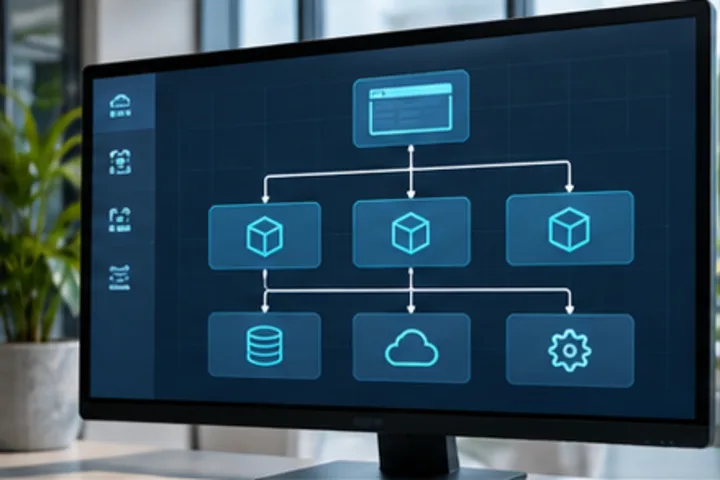
Stable interfaces define expected inputs, outputs and errors; versioning allows independent teams to change implementations without immediate…

Visual workflow builders connect records, rules and external interfaces with less handwritten implementation.
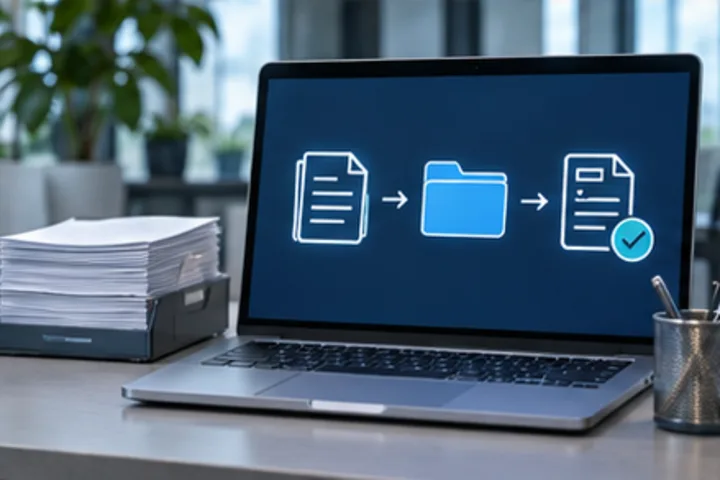
Migration teams map records, test conversions and reconcile counts and relationships before changing daily operations.

Role-based permissions group tasks by responsibility while periodic reviews identify rights no longer required.
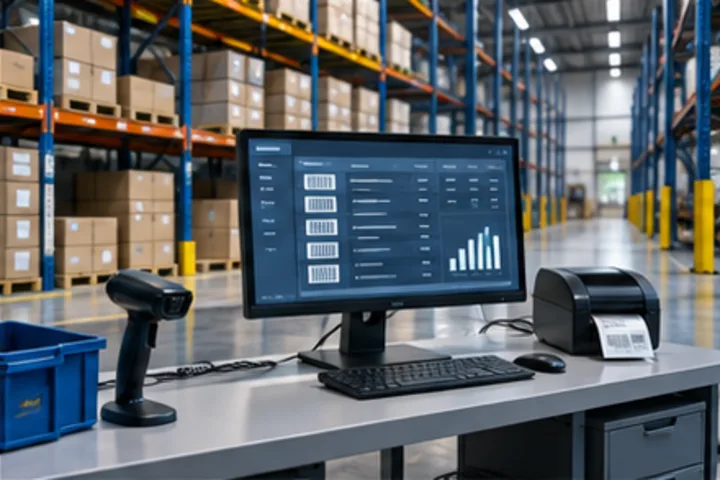
Structured applications separate records, permissions and audit history while preserving calculation and reporting features where useful.
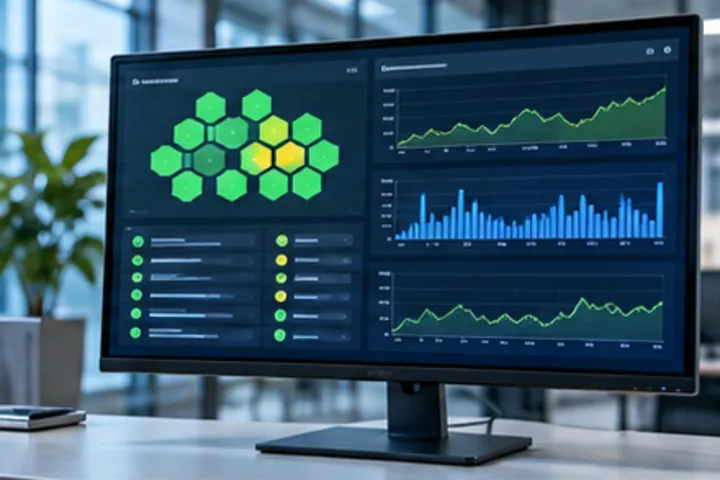
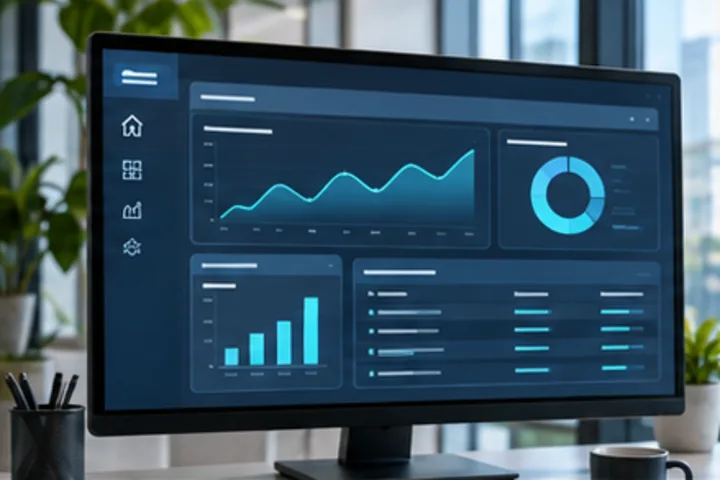
A dashboard translates available records into a small number of measures aligned to actual decisions and displays their update timing.

Application selection includes identity, permissions, accessibility, connectivity and compatibility with daily collaboration practices.