
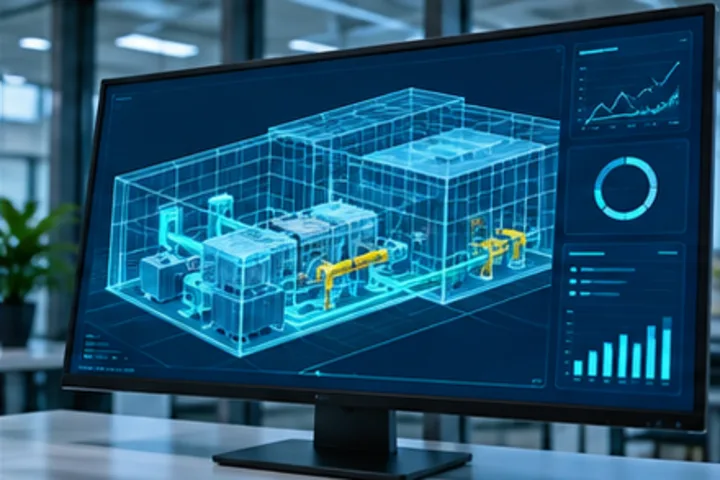
Digital twins beyond the demonstration stage
A digital model combines physical properties and operational data to represent selected aspects of a real system.
A closer look at quantum computing, semiconductors, immersive interfaces, robotics and industrial sensing.
A digital model combines physical properties and operational data to represent selected aspects of a real system.
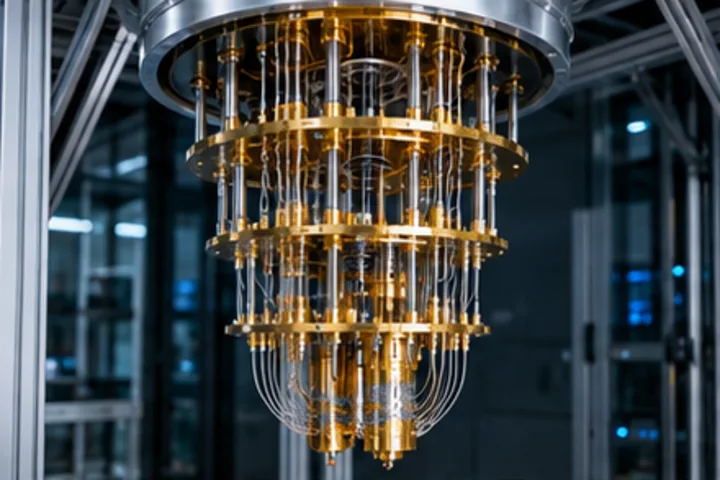
Quantum processors manipulate qubits through controlled operations and measurements, targeting problems with structures suitable for quantum algorithms.
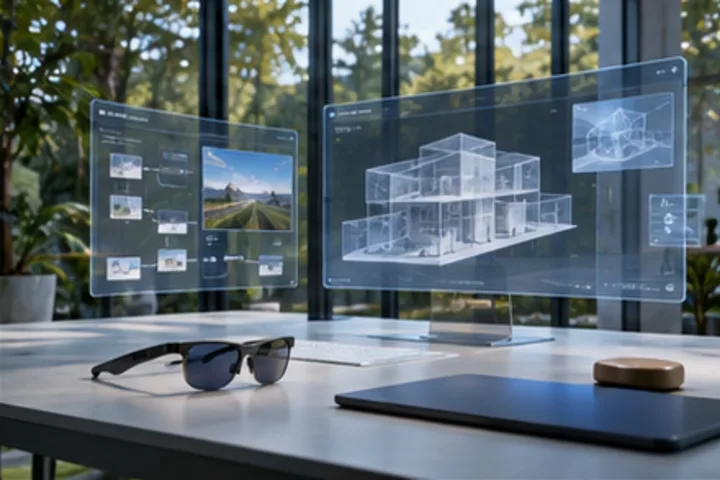
A spatial interface estimates position and orientation, aligns digital content with physical motion and renders the result with limited delay.
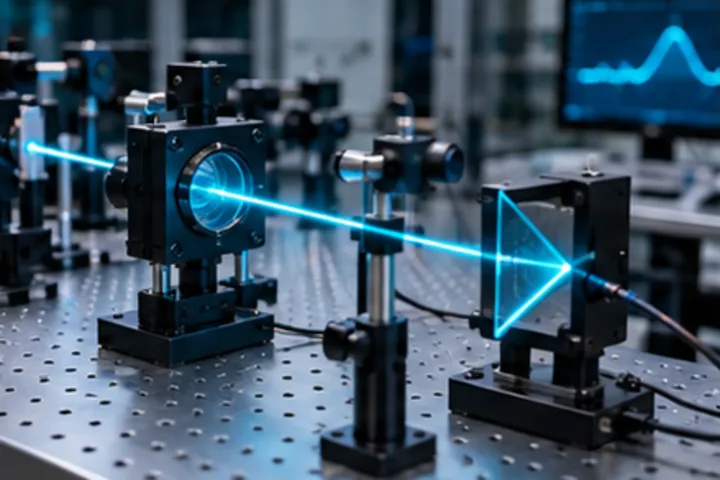
Optical signals carry information through engineered structures and can reduce certain electrical interconnect limitations.
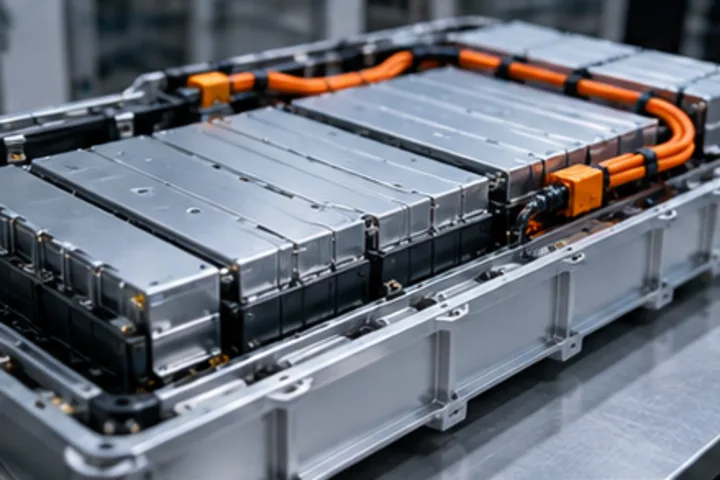
Monitoring electronics estimate cell state from measurements including voltage, current and temperature while enforcing operating limits.
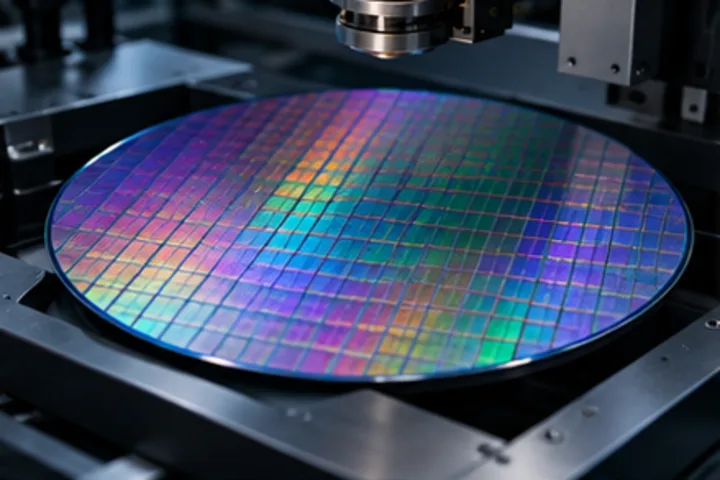
Packaging connects dies to each other and the surrounding system while providing electrical, mechanical and thermal pathways.
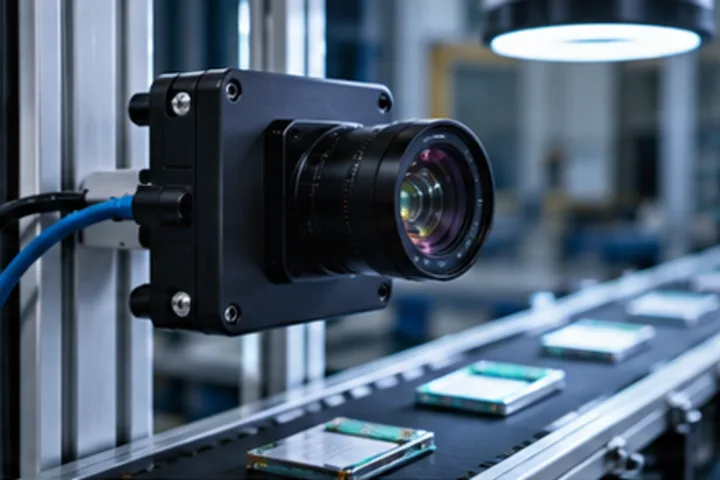
Light-based measurements infer distance, movement or material characteristics through selected optical interactions.
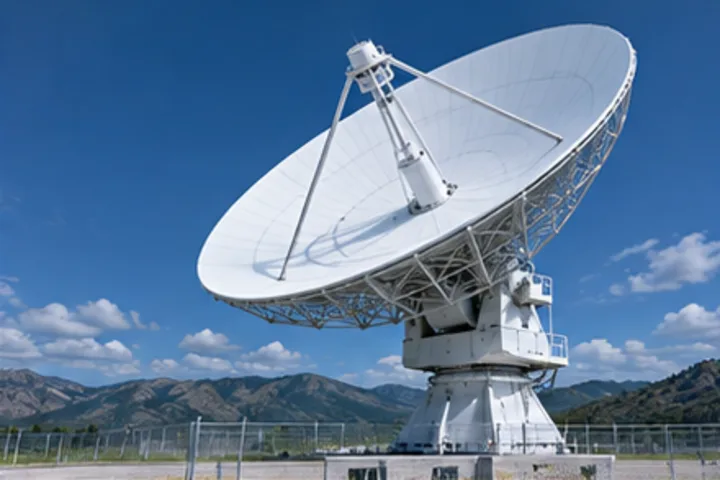
Ground terminals exchange signals with orbiting systems and network gateways, extending communication beyond terrestrial access.
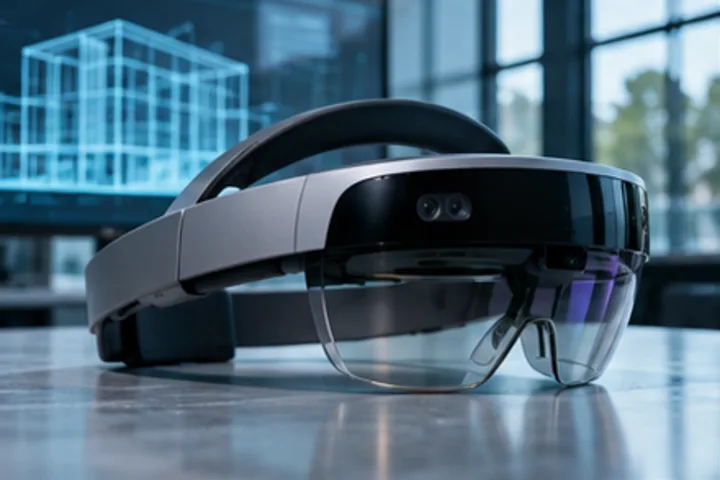
Augmented reality aligns a digital representation with a user's observed physical surroundings using sensors and display technology.
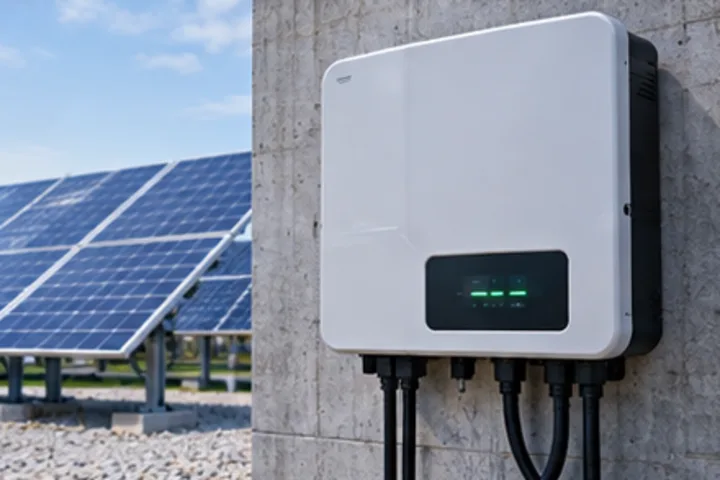
Monitoring and control systems use measurements from generation, storage and consumption to coordinate operation within physical constraints.
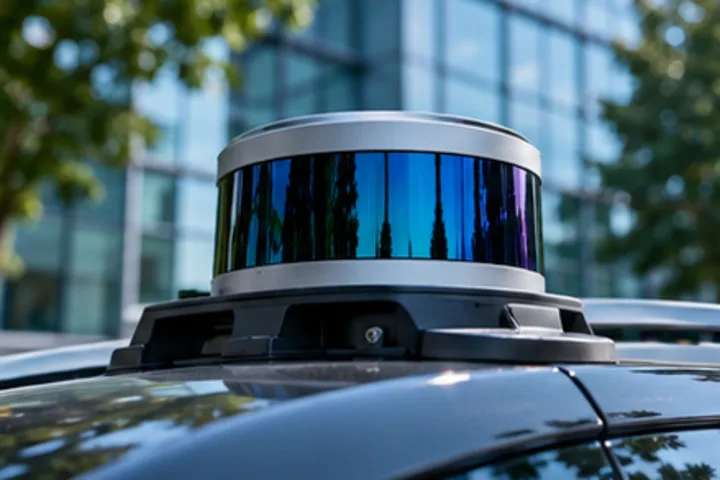
Laser pulses or modulated light provide distance measurements that can be assembled into a spatial representation.
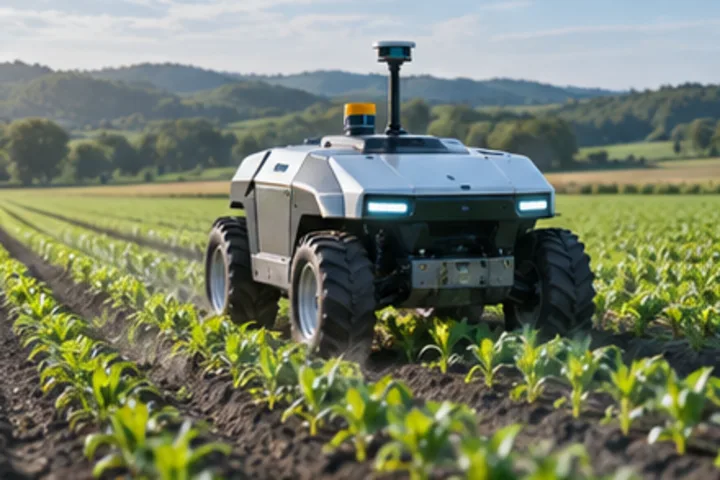
Cameras and processing systems identify visible features associated with crop rows, boundaries or equipment position.
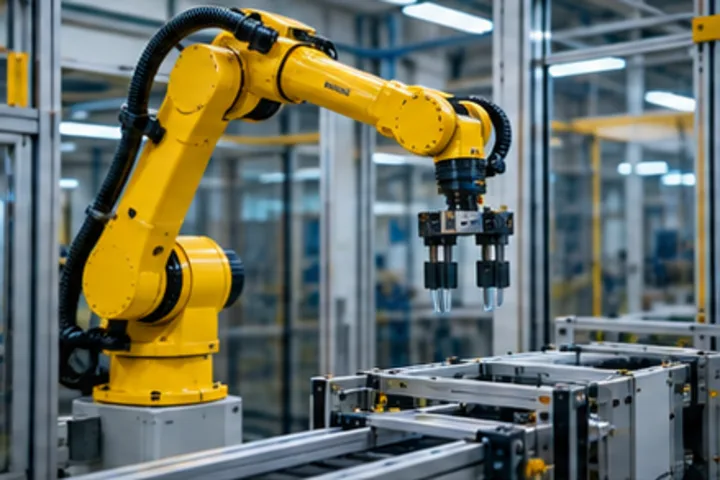
Robotic equipment combines mechanical movement, sensors and control software to carry out tasks within a defined operating environment.
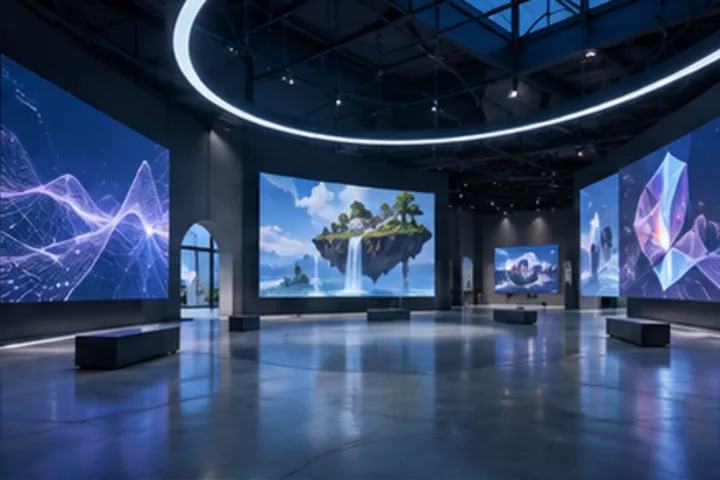
Investment narratives combined several potential markets, including immersive entertainment, workplace tools, commerce and computing infrastructure.
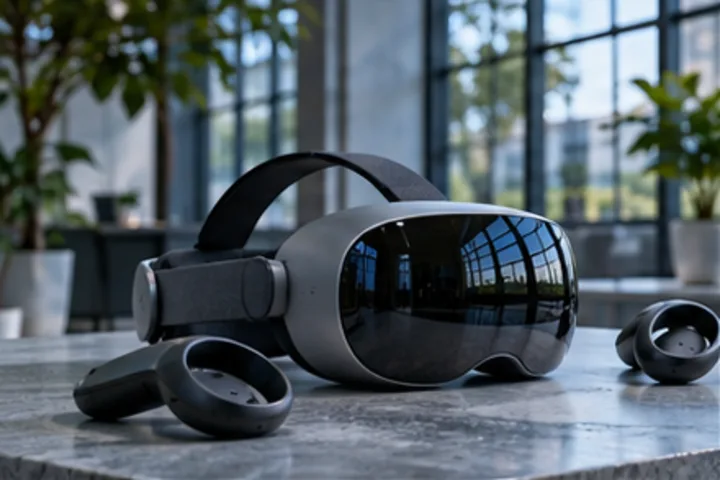
The metaverse idea brings together immersive interfaces, shared simulation, identity and digital economies rather than a single technical product.
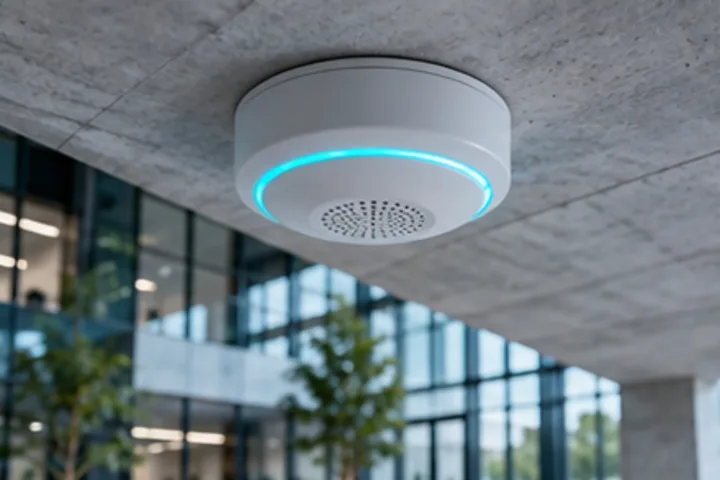
Sensors and controllers measure indoor conditions and regulate systems such as ventilation and lighting.